
5-Day Munzur Valley and Ziyaret Village Tour from Istanbul
Book Now & Pay Later.
Tour details
Discover one of Turkey’s last hidden treasures on this unforgettable 5-day journey from Istanbul to the breathtaking Munzur Valley and the sacred village of Ziyaret in Eastern Turkey. Far from the crowds, this unique experience combines untouched nature, ancient history, authentic village life, and deep-rooted cultural traditions in one of the country's most fascinating regions.
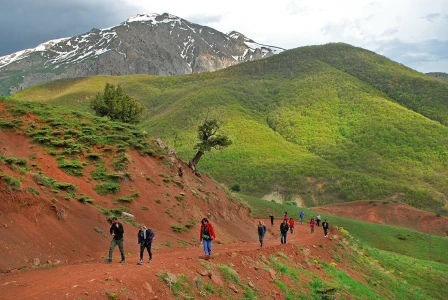
Nestled in the heart of Tunceli Province, Ziyaret Village lies at the foot of the majestic Munzur Mountains, just 14 km from Ovacik and 49 km from Tunceli city center. Known as the gateway to the famous Munzur Springs (Munzur Gozeleri), the village is surrounded by pristine landscapes, crystal-clear waters, dramatic mountain scenery, and rich biodiversity, making it a paradise for nature lovers, hikers, photographers, and eco-travelers.
Recently nominated as a candidate for the “Best Tourism Villages 2026” program, Ziyaret Village has begun attracting international attention for its sustainable tourism potential, authentic character, and exceptional natural environment.
The region's history stretches back thousands of years to the Chalcolithic Age and has been shaped by numerous civilizations, including the Hittites, Urartians, Persians, Romans, Byzantines, Seljuks, and Ottomans. Historically known as Dersim, this mountainous region has preserved a distinct cultural identity thanks to its remote location and enduring traditions.
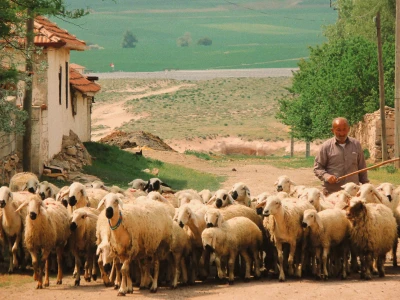
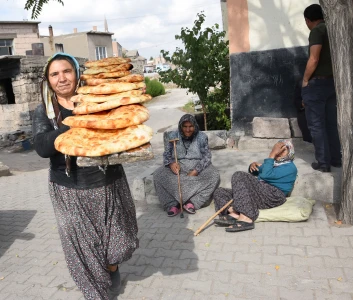
The name "Ziyaret," meaning "sacred visit," reflects the area's spiritual significance. The village remains an important center of Alevi culture, where local traditions, respect for nature, sacred sites, and oral storytelling continue to play a central role in daily life. With a small population and a peaceful atmosphere, visitors have the rare opportunity to experience authentic rural Turkey largely untouched by modern tourism.
Day 1 – Flight to Eastern Turkey & Arrival in Tunceli
- Flight from Istanbul to Elazig
- Scenic transfer to Tunceli (approx. 2–3 hours)
- Hotel check-in & free time
- Evening orientation walk
Day 2 – Munzur Valley Exploration
- Full-day exploration of Munzur Valley National Park
- River walks, light trekking, photography
- Learn about endemic plants & wildlife
- Picnic lunch in nature
Day 3 – Ziyaret Village & Munzur Springs
- Drive to Ovacik District
- Visit Ziyaret Village
- Explore Munzur Gozeleri (Sacred Springs)
- Cultural insights into Alevi traditions
- Optional: village lunch with locals
Day 4 – Culture & Free Exploration
- Visit local markets in Tunceli
- Optional cultural activities:
- Village visits
- Short hikes
- Relaxation by the river
- Free time for photography or slow travel
Day 5 – Return to Istanbul
- Transfer to Elaziq Airport
- Flight back to Istanbul
- Transfer to your hotel
What's included
- Accommodation for 4 nights in boutique guesthouses in Tunceli and Ziyaret Village with breakfast.
- Round-trip domestic flights between Istanbul and Elazig or Erzincan,
- Hotel pick up and drop off in centrally located hotels in Istanbul
- Daily guided tours of Munzur Valley National Park with scenic stops at rivers, waterfalls, and viewing points
- Visit to Ziyaret Village with immersive local experiences, including village walk and interaction with residents
- Traditional regional lunches and one special dinner featuring local music and Alevi-Kurdish cuisine
- All ground transportation in a comfortable, air-conditioned vehicle throughout the 5-day itinerary
- Professional English-speaking local guide and all entrance fees to parks and historical or cultural sites
- Optional free time in Tunceli town for shopping and/or exploration
Not included
- International flights to and from Istanbul
- Personal travel insurance and medical expenses
- Optional activities such as rafting, horseback riding, or spa treatments
- Lunches and dinners not specified in the itinerary
- Personal expenses like souvenirs, laundry, and minibar
- Tips for guides and drivers are always appreciated but entirely at your discretion.
Need to Know
This region is culturally conservative and home to strong Alevi and Kurdish traditions, so modest dress, respectful behavior at religious or sacred sites, and asking permission before photographing people are important: You should plan to cover shoulders and knees (and, in some religious settings, more) and avoid overly revealing or flashy clothes, especially in villages and during visits to cem houses or shrines. Showing respect by speaking quietly at sacred sites, following your guide’s instructions, and politely requesting consent before taking photos of residents helps maintain good relations with local communities and enriches your cultural experience.
What to Bring?
- Comfortable walking shoes or hiking boots suitable for uneven terrain
- Weather-appropriate layered clothing including a waterproof jacket
- Reusable water bottle and small day pack for daily excursions
- Personal medications, basic first aid items, and any necessary prescriptions
- Sun protection such as hat, sunglasses, and high-SPF sunscreen
- Camera or smartphone with charger and sufficient storage for photos
- Personal ID or passport, travel documents, and some local currency