
8-Day Ancient Medicine & Healing Tour from Istanbul by Flight | Asklepion, Healing Temples & Anatolian Heritage
Book Now & Pay Later.
Tour details
Why Choose This Tour?
Unlike traditional Aegean heritage tours, this itinerary follows the evolution of medicine across ancient Anatolia, from sacred healing temples to the beginnings of scientific observation and clinical practice. Travelers will visit the places associated with renowned physicians such as Galen of Pergamon, Euryphon of Knidos, and the enduring influence of Hippocrates from nearby Kos. Combining archaeology, history, philosophy, and medical heritage, this specialized journey offers a rare opportunity to explore the origins of healthcare in one of the world's most historically significant regions. It is particularly suited to physicians, nurses, pharmacists, medical students, historians, academics, and anyone with an interest in the history of medicine.
Discover the Birthplace of Ancient Medicine
Follow the footsteps of physicians, philosophers, and healers who shaped the foundations of Western medicine. This unique cultural journey explores the most important healing centers of ancient Anatolia, where medicine was practiced with holistic treatments including music, dreams, herbal remedies, hydrotherapy, surgery, and scientific observation. From the temples of Asclepius to the cities connected with Hippocrates and Galen, this tour offers an unforgettable journey through the medical history of Turkey.
Tour Highlights
- Explore the world-famous Pergamon Asclepieion, one of the greatest healing centers of antiquity.
- Visit the lost Roman spa city of Allianoi.
- Discover Ephesus, home to one of the ancient world's greatest medical communities.
- Visit Kusadasi and the nearby Temple of Artemis.
- Explore Knidos, where anatomy and scientific medicine flourished.
- Learn about Hippocratic medicine at Bodrum Castle Museum.
- Visit museums showcasing Byzantine and Ottoman medical history.
Day 1 – Istanbul → Izmir → Bergama
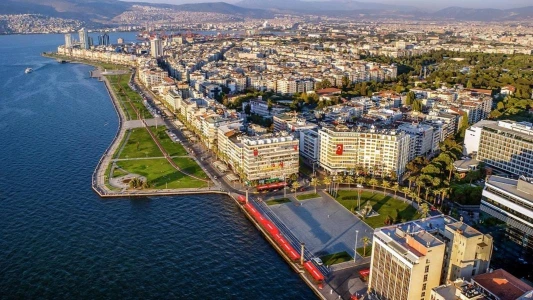
Early morning, pick up from your hotel and transfer to the airport for your domestic flight to Izmir.
Upon arrival, meet your professional guide and drive to Bergama (approximately 2 hours).
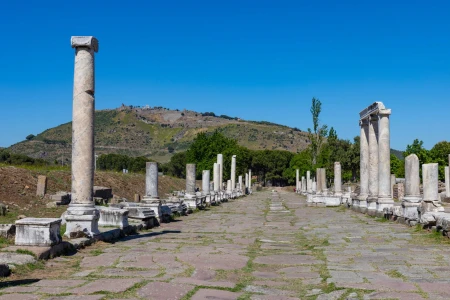
In the afternoon, guided tour to the ancient city of Pergamon.
Highlights of the day:
- Acropolis
- Temple of Trajan
- Theater
- Ancient Library
- Red Basilica (outside)
At the end of the tour, drive to the hotel for check in and overnight to Bergama.
Pergamon became one of the greatest scientific centers of the Hellenistic world. Its famous library rivaled Alexandria and attracted physicians, philosophers and scholars from across the Mediterranean. The city later became home to Galen, one of history's most influential physicians whose writings dominated medicine for more than 1,500 years.
Day 2 – Pergamon Asclepieion & Medical Heritage
After breakfast, full day tour exploring the remarkable healing sanctuary.
Highlights of the day:
- Pergamon Asclepieion
- Sacred Tunnel
- Healing Temple
- Theater
- Ancient Hospital
- Medical Library
- Sacred Spring
The Asclepieion of Pergamon was among the most advanced hospitals of the ancient world and founded during the 4th century BC. Patients came from across the Roman Empire seeking treatment.
Healing methods included dream therapy, herbal medicine, music therapy, hydrotherapy, psychological counseling, exercise, diet and surgical procedures.
The famous physician Galen studied and practiced medicine here before becoming physician to Roman emperors.
Day 3 – Allianoi → Kusadasi
After breakfast, departure to visit the archaeological site of Allianoi.
After the tour, continue to Kusadasi for overnight stay.
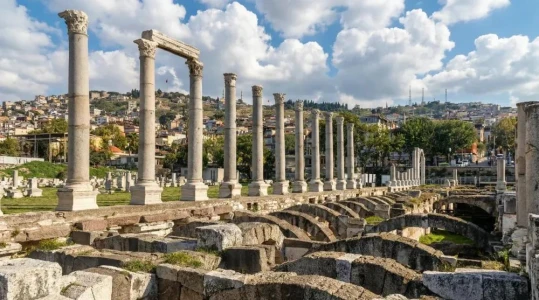
Allianoi was a luxurious Roman thermal healing center dating back nearly 2,000 years.
Visitors came for: Thermal baths, mineral waters, physical rehabilitation and religious healing rituals.
Its sophisticated water system, baths and treatment rooms demonstrate the importance of hydrotherapy in Roman medicine. Although much of the site now lies beneath a reservoir, ongoing archaeological research continues to reveal its significance.
Day 4 – Ancient Ephesus
After breakfast, full day tour to Ephesus and visit:
- Curetes Street
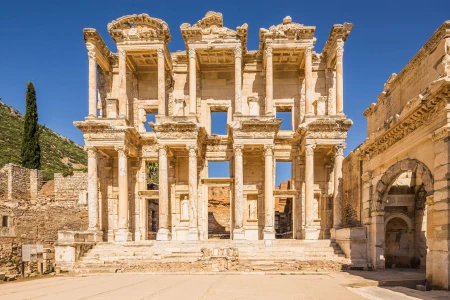
- Library of Celsus
- Great Theater
- Temple of Hadrian
- Terrace Houses (optional)
- Temple of Artemis
Ephesus was one of the greatest cities of the Roman Empire and an important center for physicians and medical education. Medical practitioners worked alongside philosophers, pharmacists, and scholars.
The city contained public baths, advanced sanitation, sophisticated water systems, medical inscriptions and surgical instruments discovered during excavations. Nearby, the Temple of Artemis attracted pilgrims seeking divine healing.
Free evening in Kusadasi.
Day 5 – Kusadasi → Datca → Knidos
Scenic drive through the Datca Peninsula and visit of:
- Knidos Ancient City
- Medical School
- Ancient Harbor
- Theater
- Temple of Aphrodite
Knidos became famous through the physician Euryphon, one of the leading doctors of the ancient world.
Unlike other healing schools, physicians at Knidos emphasized: Careful diagnosis, observation of disease, anatomy and clinical examination. Its medical traditions complemented those of nearby Kos, helping establish scientific medicine.
Overnight stay in Datca.
Day 6 – Datca → Bodrum
After breakfast, drive to Bodrum for a daily tour including visit of Bodrum castle, Bodrum museum of underwater archaeology, Ancient Halicarnassus and Mausoleum site (outside).
Although Hippocrates was born on the nearby island of Kos, Bodrum preserves much of the cultural history shared across the ancient Carian coast.
The museum contains numerous medical artifacts recovered from shipwrecks, illustrating ancient trade in medicinal herbs, surgical instruments, pharmaceutical containers and medical amphorae.
The region maintained close intellectual connections with Hippocratic medicine.
Free evening and overnight stay in Bodrum.
Day 7 – Bodrum Medical Heritage & Museum Visits
Throughout antiquity, the Bodrum region connected Greek, Carian and Anatolian medical traditions.
Merchants transported herbs, oils, medical texts, surgical instruments.
The area became an important crossroads for knowledge exchanged between East and West.
Visit includes: Bodrum Museum collections, ancient city remains and local cultural sites.
Optional: Visit to traditional herbal medicine shops.
Farewell dinner and overnight in Bodrum.
Day 8
After breakfast, transfer to Bodrum Airport for your domestic flight back to Istanbul.
Upon arrival, transfer to your hotel.
What's included
- Domestic flights
- Airport transfers
- Professional licensed English-speaking guide
- Private air-conditioned transportation
- 7 nights hotel accommodation
- Daily breakfast
- Dinner as per the itinerary
- Entrance fees to all listed archaeological sites and museums
- Bottled water during transfers
- Local taxes
Not included
- Lunches and dinners unless stated
- Personal expenses
- Drinks during meals
- Optional excursions
- Travel insurance
- Tips for guide and driver
- Terrace Houses entrance at Ephesus if not selected
Need to Know
- This is a cultural and archaeological tour with extensive walking on uneven ancient stone streets.
- Some archaeological sites have steep paths and limited shade.
- Domestic flight schedules may require early morning departures.
- The itinerary may be adjusted due to weather conditions or operational requirements while preserving the overall experience.
- Summer temperatures along the Aegean coast can exceed 35°C (95°F); adequate hydration is essential.
- Some museum collections may be temporarily closed for restoration without prior notice.
- Allianoi is partially submerged beneath a reservoir, so the visit focuses on accessible archaeological remains and interpretation of the site's history.
- This itinerary is ideal for travelers interested in archaeology, history, medicine, ancient civilizations, universities, and healthcare heritage.
- The tour can also be customized for medical professionals, healthcare organizations, university groups, and students, with optional lectures by archaeologists or historians of medicine.
What to Bring?
- Comfortable walking shoes
- Hat
- Sunglasses
- Sunscreen
- Light clothing for summer
- Light jacket for evenings
- Camera
- Reusable water bottle
- Small backpack
- Passport or government-issued ID
- Personal medications