


3-Day Aegean Ancient Cities Tour from Istanbul | Priene, Miletus & Didyma Temple of Apollo
A short cultural escape from Istanbul to ancient cities Didyma, Miletus and Priene!
Together they offer a rich mix of archaeology, mythology, and classic Aegean scenery!
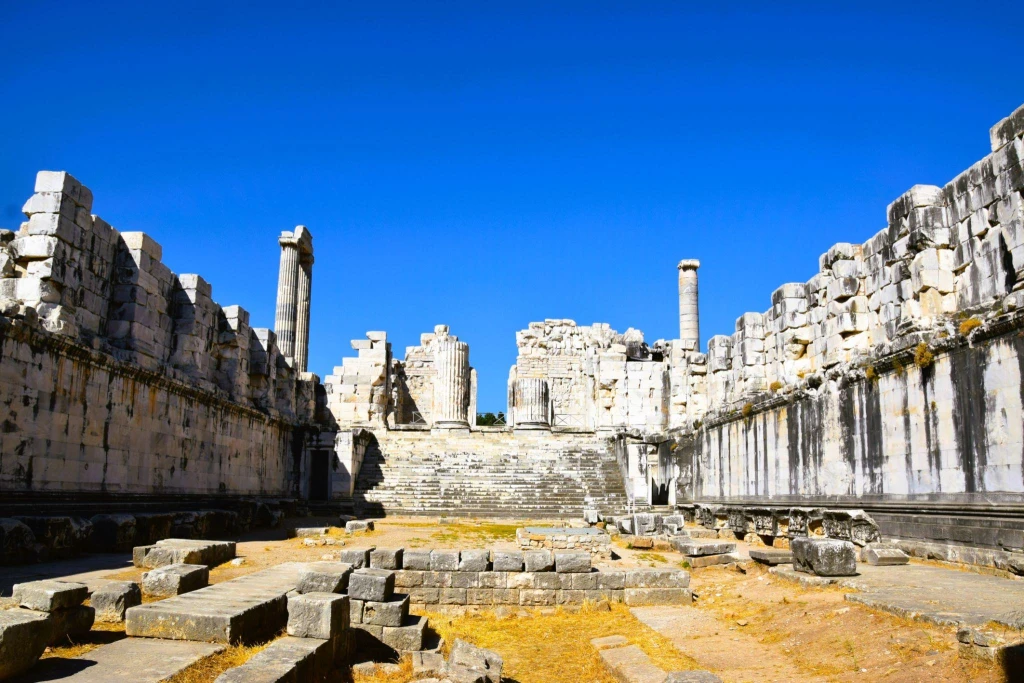
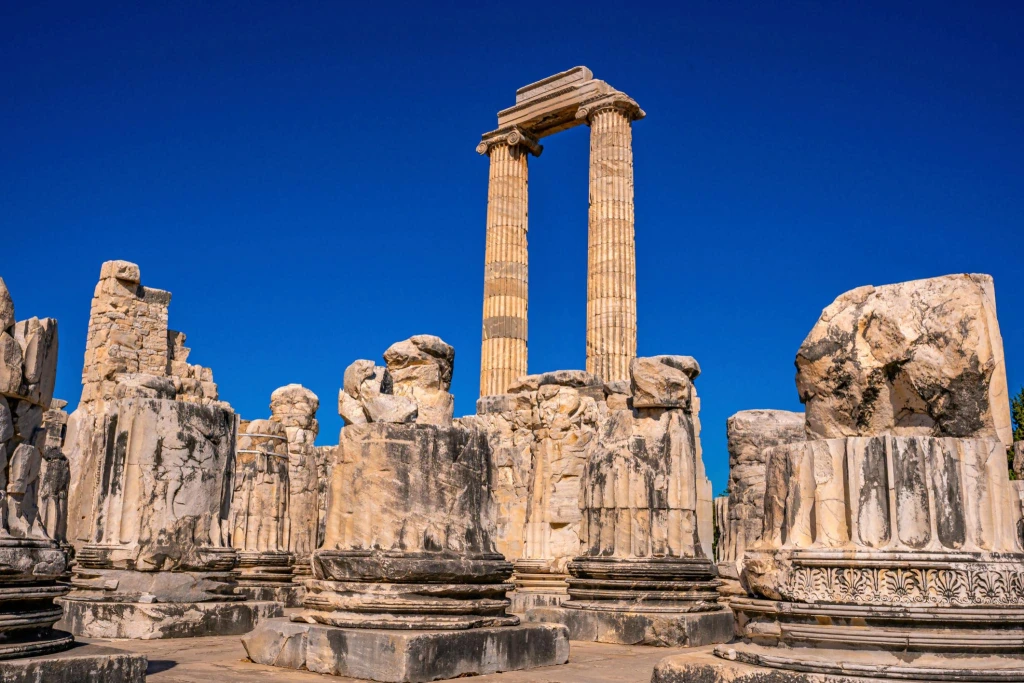
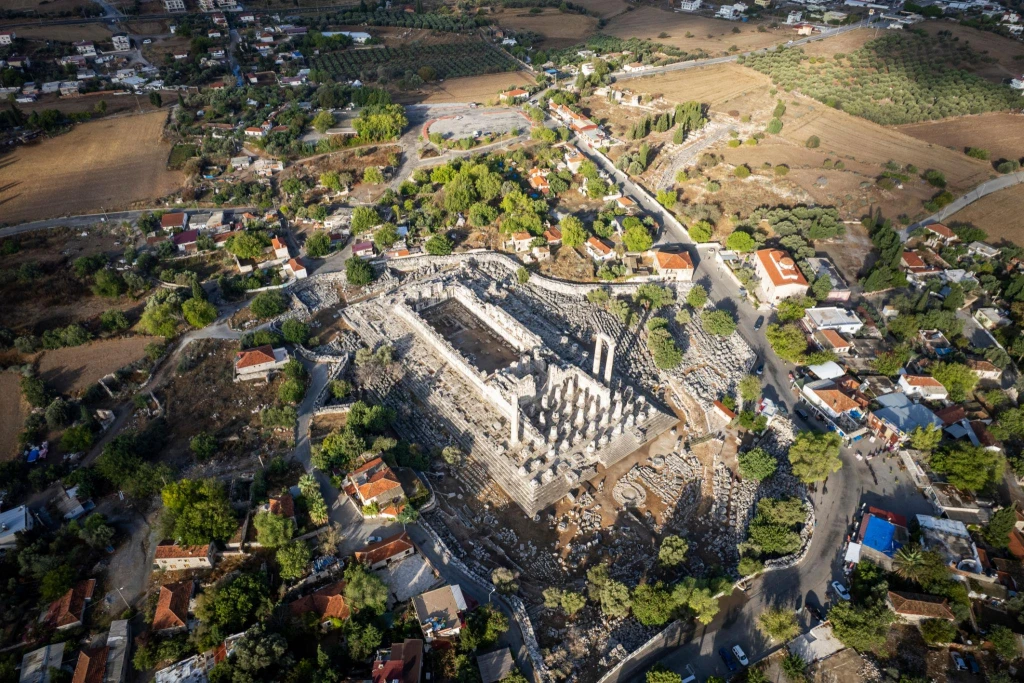
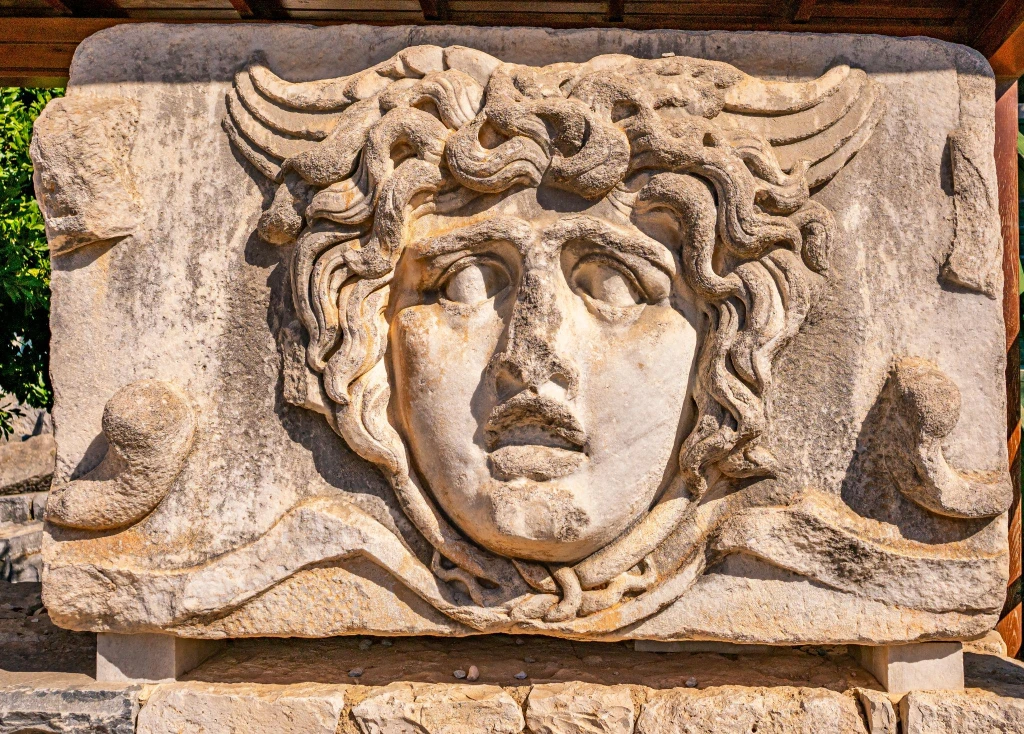
Didyma was an ancient sacred sanctuary of the Ionian world, located near the coast of modern-day Aydin in western Turkey. It was most famous for its oracle of Apollo, second only to Delphi in importance in the ancient Greek world. The site’s name, Didyma, means “twins,” referring to the mythological connection with Apollo and Artemis. Its centerpiece is the monumental Temple of Apollo, one of the largest temples in the ancient Mediterranean. Construction began in the 6th century BC and continued through Hellenistic and Roman periods.
Pilgrims and rulers visited Didyma to seek divine guidance through its oracle priesthood. Although never fully completed, the temple’s massive columns and ruins still reflect its grandeur.
Today, Didyma is one of the most significant archaeological sites of ancient Ionia and a key stop on Aegean heritage tours.
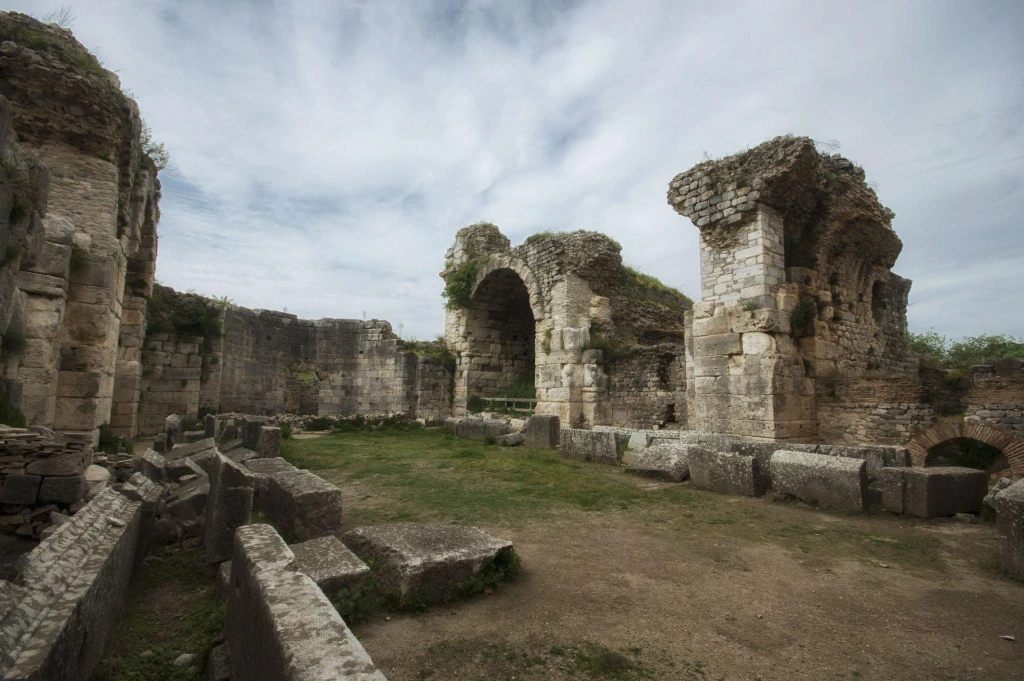
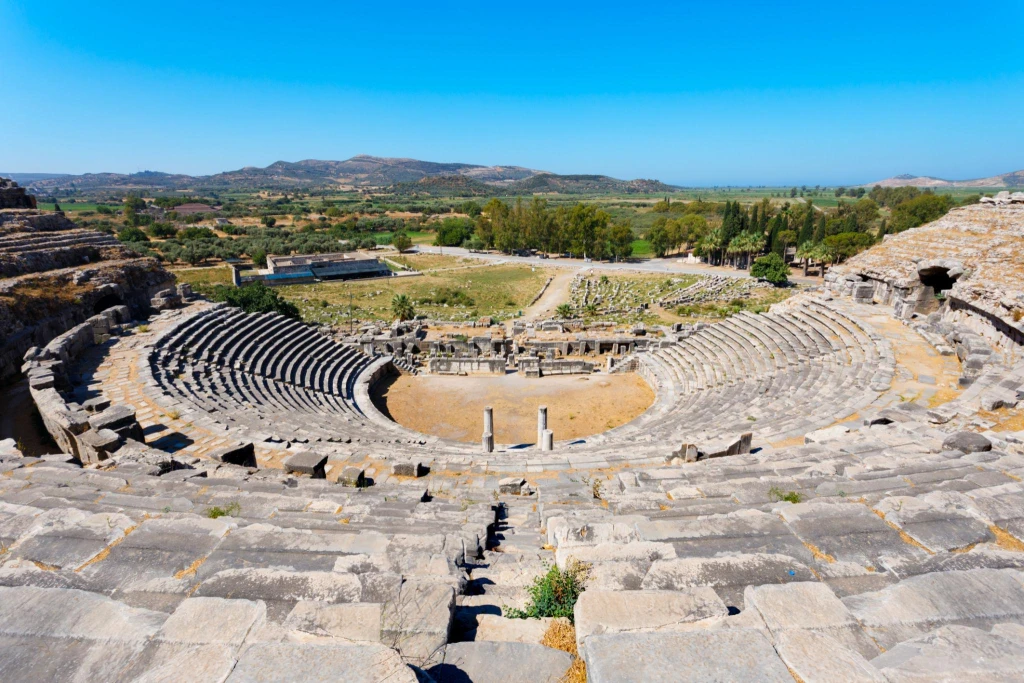
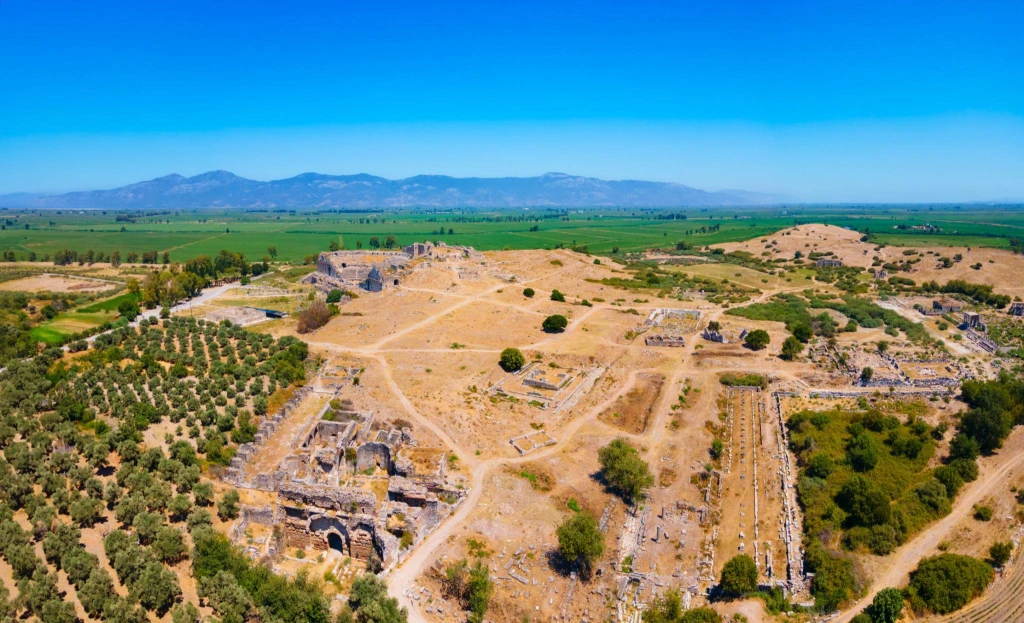
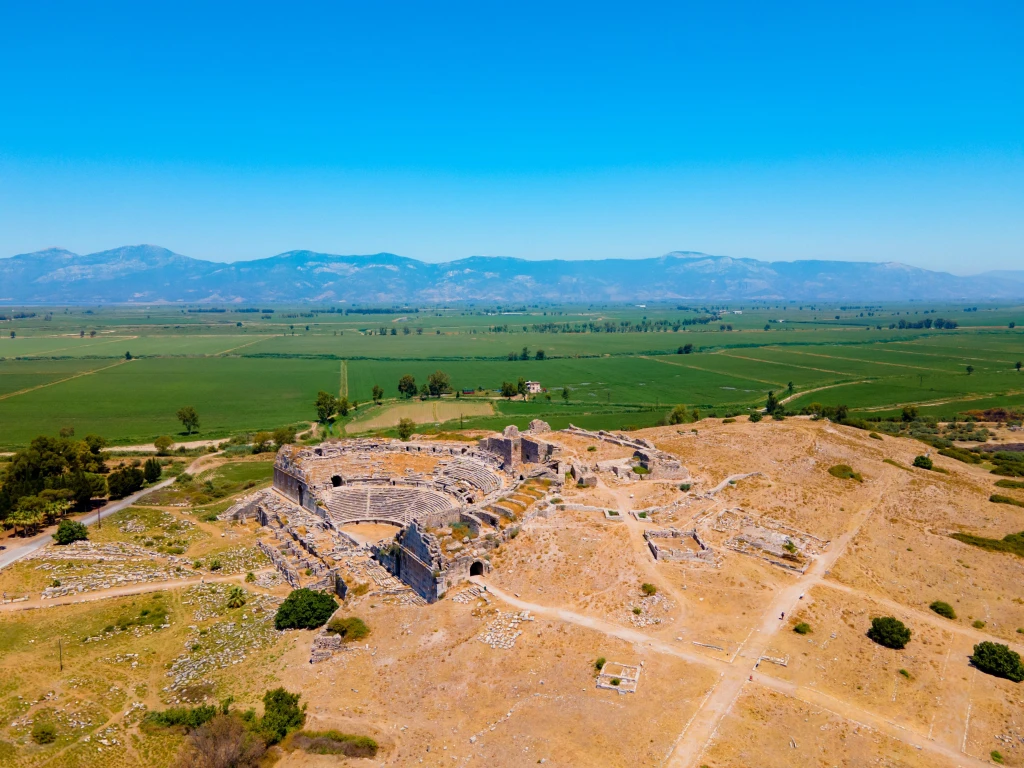
Miletus was a powerful seaport and one of the great intellectual centers of the ancient Greek world. The impressive theater, whose scale still reflects the city’s importance, the remains of baths, streets, and harbor-oriented urban planning. Associated with Thales of Miletus, one of the founders of Western philosophy and science, known for its role in Greek colonization and maritime power, closely tied to the wider Ionian cultural identity. Once a major harbor city, now inland because of sedimentation. The surrounding wetlands and plains remind you how the coastline has shifted over time. Miletus is also known as the birthplace of the philosophers Thales and Anaximander. Although the coastline has receded due to the silting of the Meander River, Miletus remains a fascinating open-air museum that showcases over 2,500 years of history.
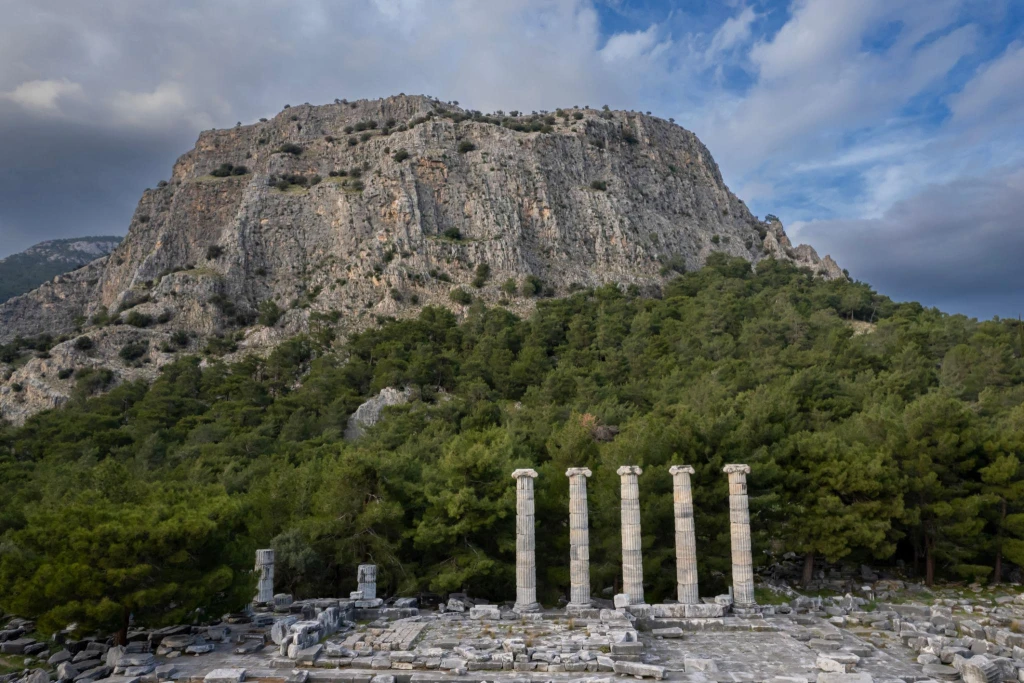
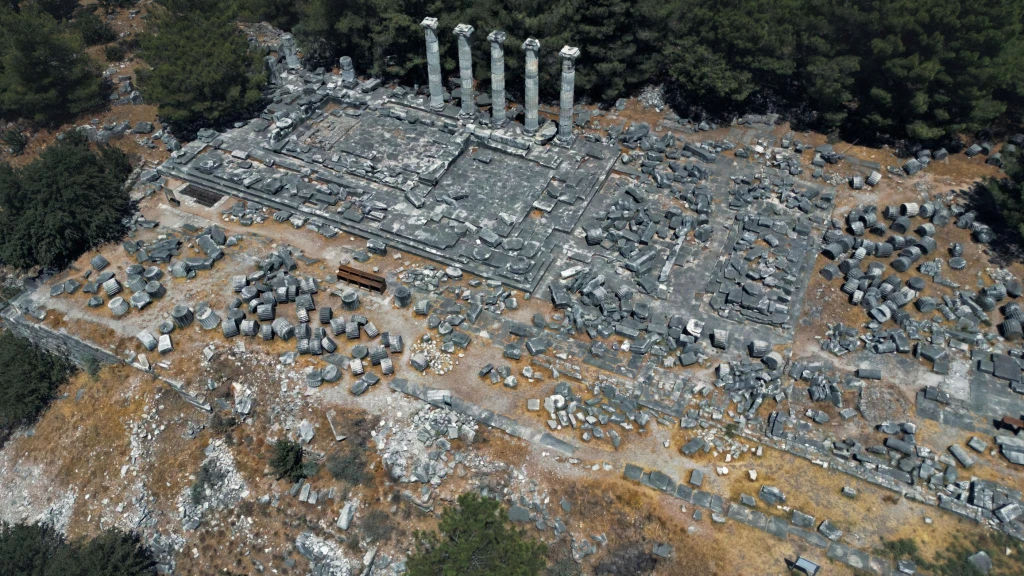
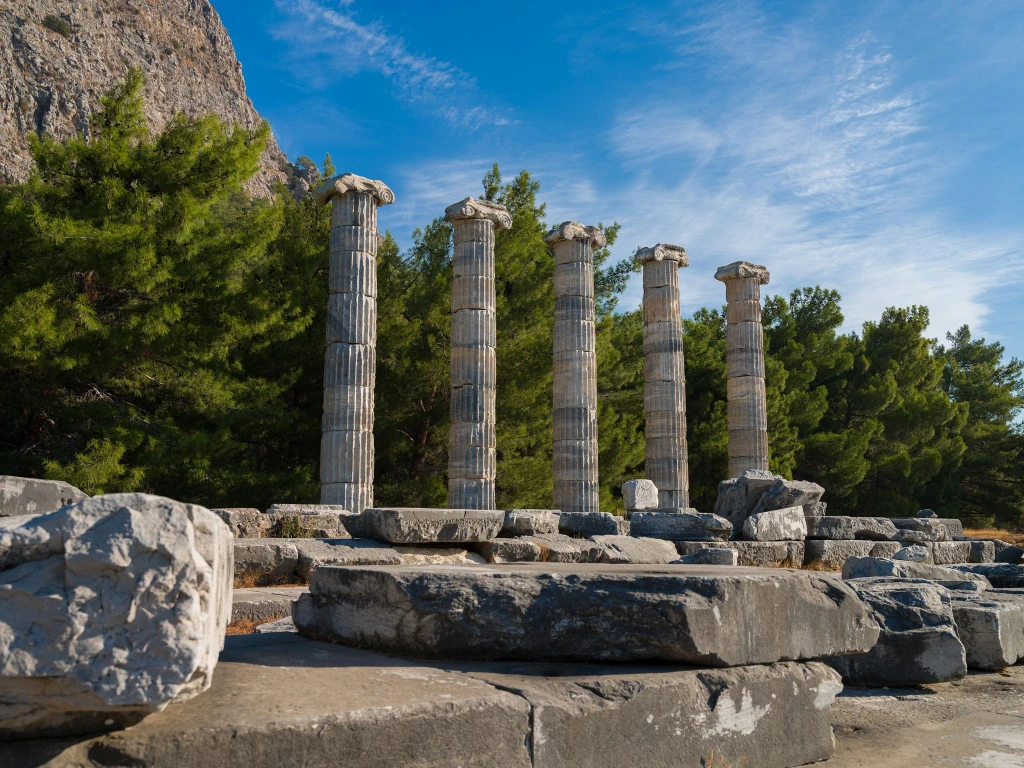
Priene was an important ancient Ionian city located on the slopes of Mount Mycale, overlooking the fertile Maeander River valley. It is best known for its remarkably well-preserved Hellenistic urban plan based on the Hippodamian grid system. The city was originally founded closer to the coast but was relocated inland due to the silting of the Maeander River. Priene reached its peak during the Hellenistic period, especially under the influence of the Kingdom of Pergamon. One of its most famous structures is the Temple of Athena Polias, designed by the architect Pytheos, who also worked on the Mausoleum of Halicarnassus. During the Roman period, Priene remained a small but culturally significant settlement. Over time, continued sedimentation and shifting trade routes led to its gradual decline.
Today, Priene is one of the best-preserved examples of an ancient planned city in the Aegean region.
Its ruins offer valuable insight into urban planning, architecture, and daily life in ancient Ionia.
Day 1
Early pick up from your hotel in Istanbul and private transfer to the airport for your domestic flight to Izmir or Bodrum.
Upon arrival, meet our representatives and drive to Soke, Didim, Aydin area, approximately 1 to 2,5 hours depending on airport. Upon arrival to Didim you will check-in to a country side boutique hotel and in the afternoon you can explore the Didim coastline or take a walk in the village, visit a market and get ready for next day's full archaeological tours.
Overnight stay at Didim or Soke boutique hotel.
Day 2
After breakfast, pick up from your hotel to join the Priene & Miletus (Ancient Ionian Cities) Tour.
Highlight of Priene:
Temple of Athena (designed by Pytheos, student of Mausoleum of Halicarnassus)
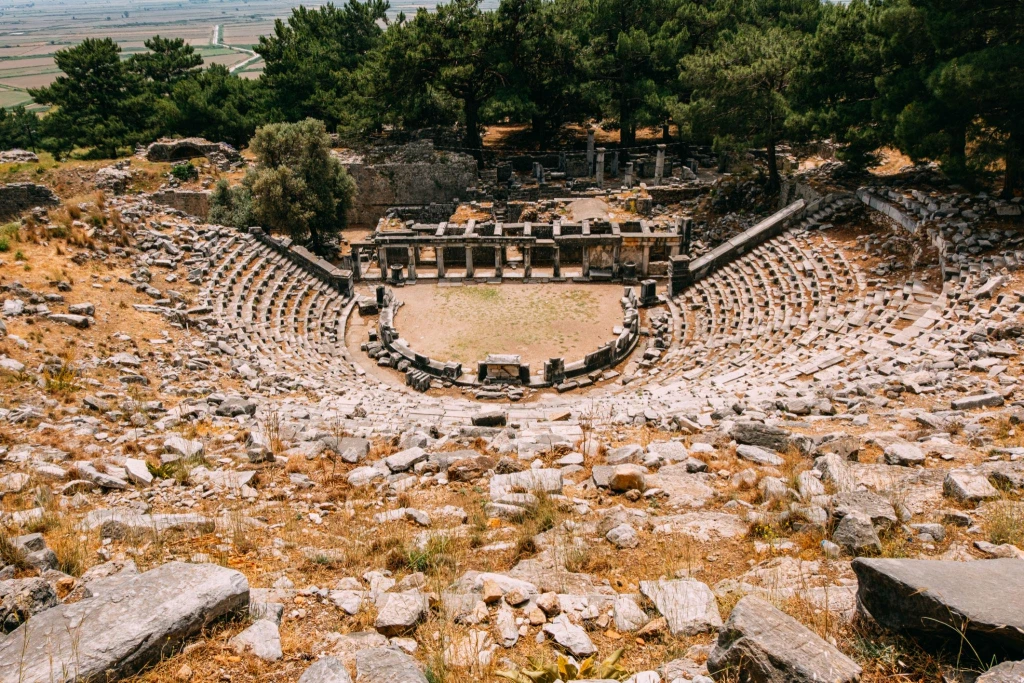
Theater carved into hillside
Grid-planned Hellenistic city layout
Around midday we will drive to Miletus for our next tour.
Highlighs of Miletus:
Huge Roman theater
Faustina Baths
Harbor monument remains, once a major ancient port.
After the tour, lunch at a local restaurant near Balat village or picnic-style lunch between sites.
In the afternoon, we will drive back to the hotel in Didim.
Free evening with optional sunset by the coast.
Overnight stay at Didim or Soke boutique hotel.
Day 3
After breakfast, pick up from your hotel for your tour to Didyma, one of the most impressive oracle sanctuaries of the ancient world.
Highlights of Didyma:
Massive Temple of Apollo columns
Sacred road remnants linking to Miletus
Mythological oracle center rivaling Delphi
After the tour, lunch in Didim town or coastal cafe and in the afternoon drive back to the airport for your domestic flight back to Istanbul. Upon arrival, private transfer back to your hotel.
Before booking the 3 Day Aegean Antiquity Tour from Istanbul it is helpful to know that this journey covers long distances and blends domestic flights with guided overland travel through some of the most important ancient Ionian sites including Priene, Miletus and Didyma. Early morning departures from Istanbul are often needed to make the most of each day so be ready for early starts and full day sightseeing. Comfortable walking shoes are important since archaeological areas often have uneven ground stone paths and very little shade. Weather in the Aegean region can be very warm in summer so sun protection such as hats, sunglasses and sunscreen is strongly advised. Most tours provide professional guiding and transportation but entrance fees, meals and personal expenses may differ by package. Please review the inclusions carefully before reserving. Carry a valid ID or passport for domestic flight check in and any required ticket procedures. Small cash in Turkish Lira is useful for snacks, drinks or optional extras during the route. Expect a blend of historic narration and scenic countryside drives with some free time depending on the program. Accommodation is usually included in multi day packages though comfort levels may vary by selected category. This tour is ideal for travelers who enjoy archaeology, history and ancient civilizations offering a rich look into the legacy of the Ionian world.
What's Included
- Round-trip domestic flights
- Airport transfers Izmir
- Private or small-group transport during itinerary
- Professional licensed guide
- Entrance fees to archaeological sites
- 2 nights accommodation with breakfast
Not Included
- Lunches and dinners unless stated
- Personal expenses, souvenirs,drinks
- Optional tours
- Travel insurance
- Tips for guide and driver
- ID or passport for domestic flights
- Comfortable walking shoes for uneven stone paths
- Sun protection with a hat, sunglasses, and SPF
- Light breathable clothing for strong summer heat
- Light jacket for evenings with a coastal breeze
- Refillable water bottle
- Camera or smartphone for wide ruin views
- Small backpack for daily essentials
Frequently Asked Questions
Most itineraries allow two to three hours at each site, giving visitors ample time for guided talks, photography and free exploration.
A licensed guide brings the ancient cities to life by explaining their history, mythology and archaeological significance. Guided tours also simplify transportation, logistics and time management, allowing you to make the most of your visit.
Absolutely. Visitors enjoy panoramic mountain landscapes, well preserved marble temples, ancient theatres, impressive columns and beautiful countryside, making it one of western Turkey's most photogenic archaeology tours.
The archaeological sites are conveniently located within around 20–40 km of each other, making travel times brief and leaving more time for sightseeing.
Yes. The tour runs all year, though availability may change on national holidays and in winter depending on flight schedules.
Yes. Travelers already staying in Izmir or Kusadasi can usually join the tour directly without domestic flights.
Yes. Most three-day packages include two nights in carefully selected hotels in the Didim, Kusadasi or Soke area.
This depends on the package selected. Please review the tour details before booking to confirm whether museum admission tickets are included.
Spring, April to June and autumn, September to November offer the best weather for exploring archaeological sites. Summer is warmer but gives longer daylight hours.
We advise comfy walking shoes, sun protection, sunglasses, a hat, a reusable water bottle, a camera, a light jacket in spring or autumn, and cash or a credit card for personal expenses.
The excursion usually covers round-trip domestic flights linking Istanbul with the Aegean area, airport transfers, hotel stays with breakfast, a professional licensed English-speaking guide, travel in an air-conditioned vehicle, and visits to Priene, Miletus, and Didyma. Based on the selected package, entrance fees and lunch may also be included.
Miletus was a rich city in ancient Ionia and the birthplace of philosophers like Thales, Anaximander and Anaximenes. It also has one of Turkey’s largest Roman theatres.
Priene is a fine preserved example of a planned Greek city. Built on a grid system, it gives wide views over the former Meander River valley and features a striking Temple of Athena shaped by classical Greek architecture.
No. However the Temple of Apollo at Didyma was considered one of the greatest oracle sanctuaries of the ancient world and rivaled the importance of Delphi. Its enormous columns remain among the best preserved examples of Hellenistic architecture.
Yes. Families are welcome, although children who enjoy history and outdoor exploration generally appreciate the experience the most.
Visitors can expect moderate walking on uneven ancient stone roads, archaeological paths and gentle slopes. Comfortable walking shoes are strongly advised.
Yes. This itinerary is crafted for travelers drawn to archaeology, ancient Greek civilization, Roman history, and UNESCO heritage. It offers a rich journey into lesser known corners beyond Turkey's most famous sites.
These three archaeological sites formed one of the most important cultural and religious regions of ancient Ionia. Their close proximity makes them ideal to visit together, while offering a full understanding of Greek urban planning, philosophy, commerce and religion.
The quickest choice is a one hour domestic flight from Istanbul to Izmir or Bodrum, then a scenic drive to the ancient sites. This makes it easy for visitors to see all three historic cities comfortably over three days.
Our partners