


Zeugma Archaeological Site & Gaziantep Tour from Istanbul by Flight
Discover the Lost Roman City of the Euphrates!
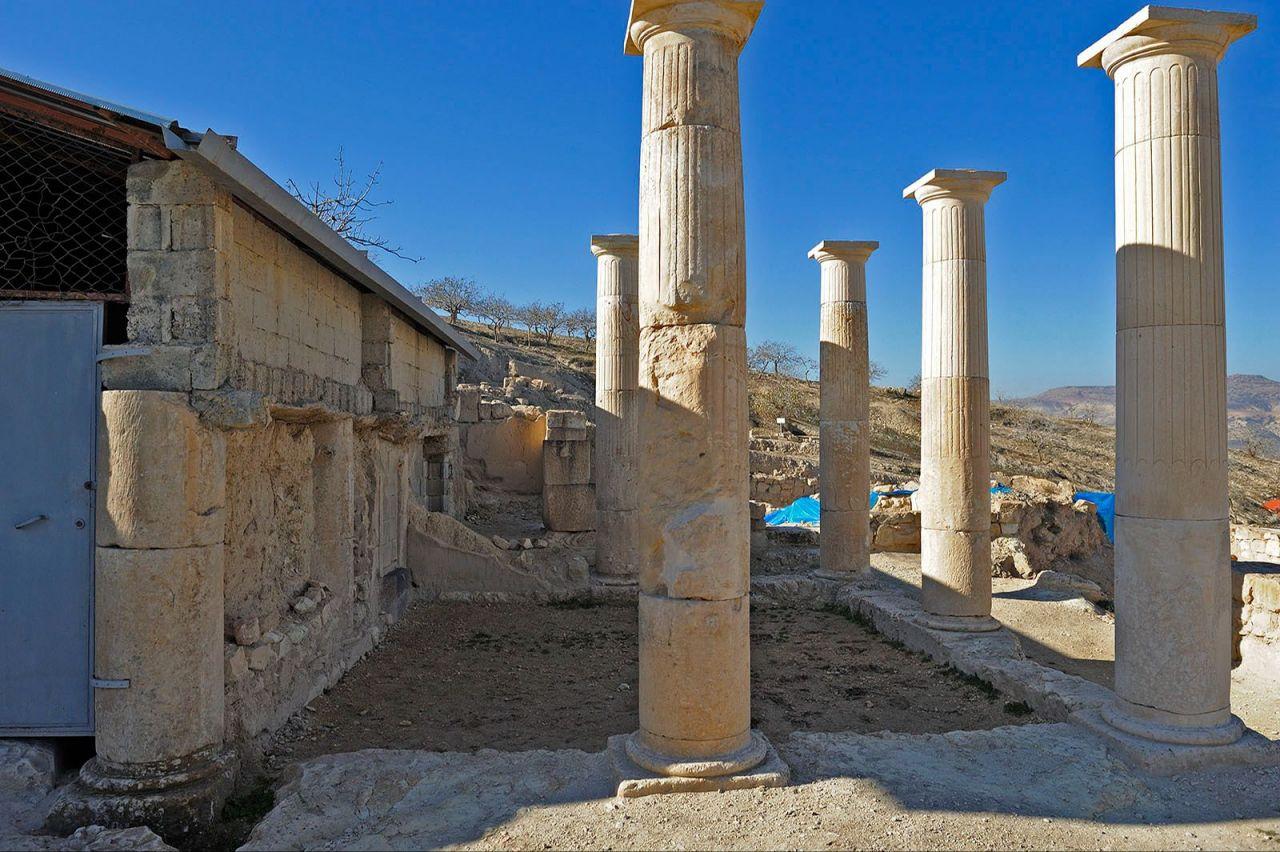
Travel from Istanbul to southeastern Turkey for an unforgettable journey into the ancient city of Zeugma, one of the most significant Roman archaeological sites in the world. Once a thriving frontier city of the Roman Empire, Zeugma was renowned for its luxurious villas, extraordinary mosaics, and strategic location on the Euphrates River. Today, visitors can explore the archaeological remains at Belkis Village and admire the world-famous mosaics preserved at the Zeugma Mosaic Museum in Gaziantep.
Tour Highlights
Visit the ancient city of Zeugma (Belkis).
Explore the world-renowned Zeugma Mosaic Museum
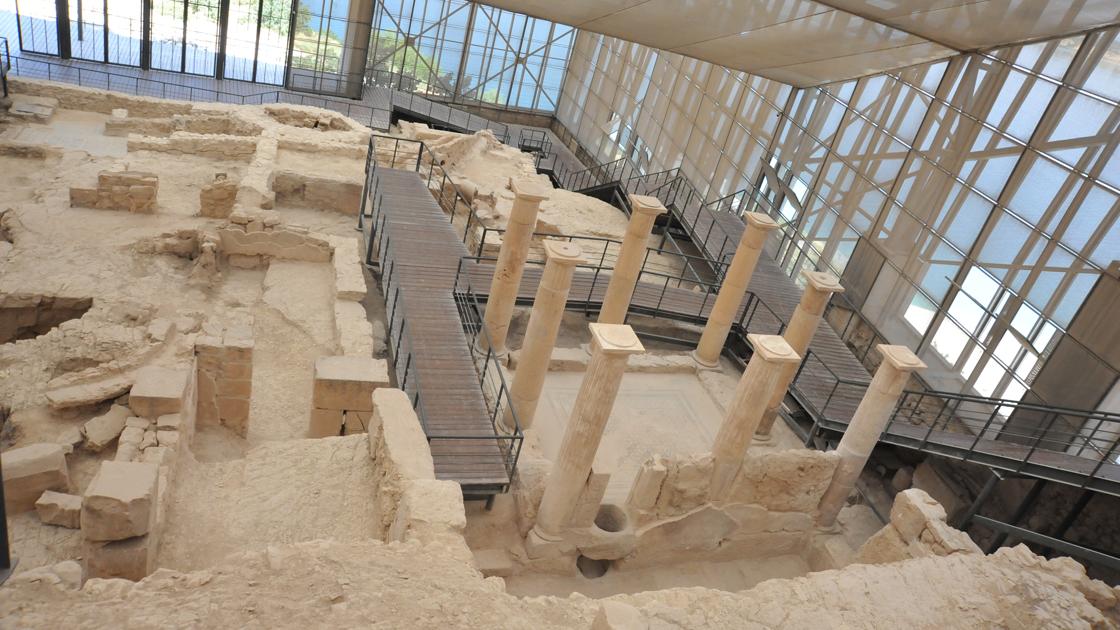
Discover Roman villas, bathhouses, and ancient streets
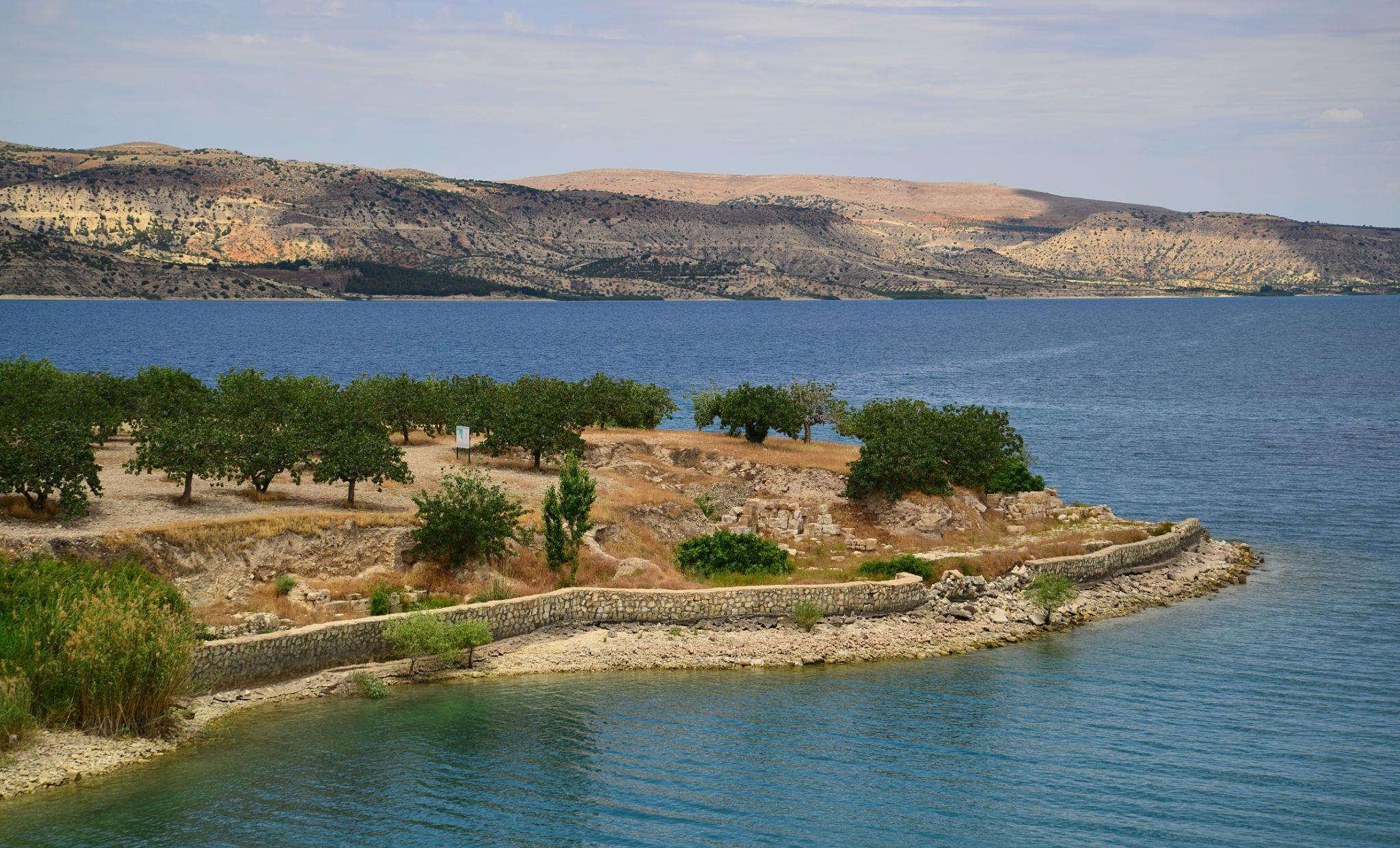
Enjoy panoramic views of the Euphrates River
Experience Gaziantep’s rich culinary heritage
ITINERARY
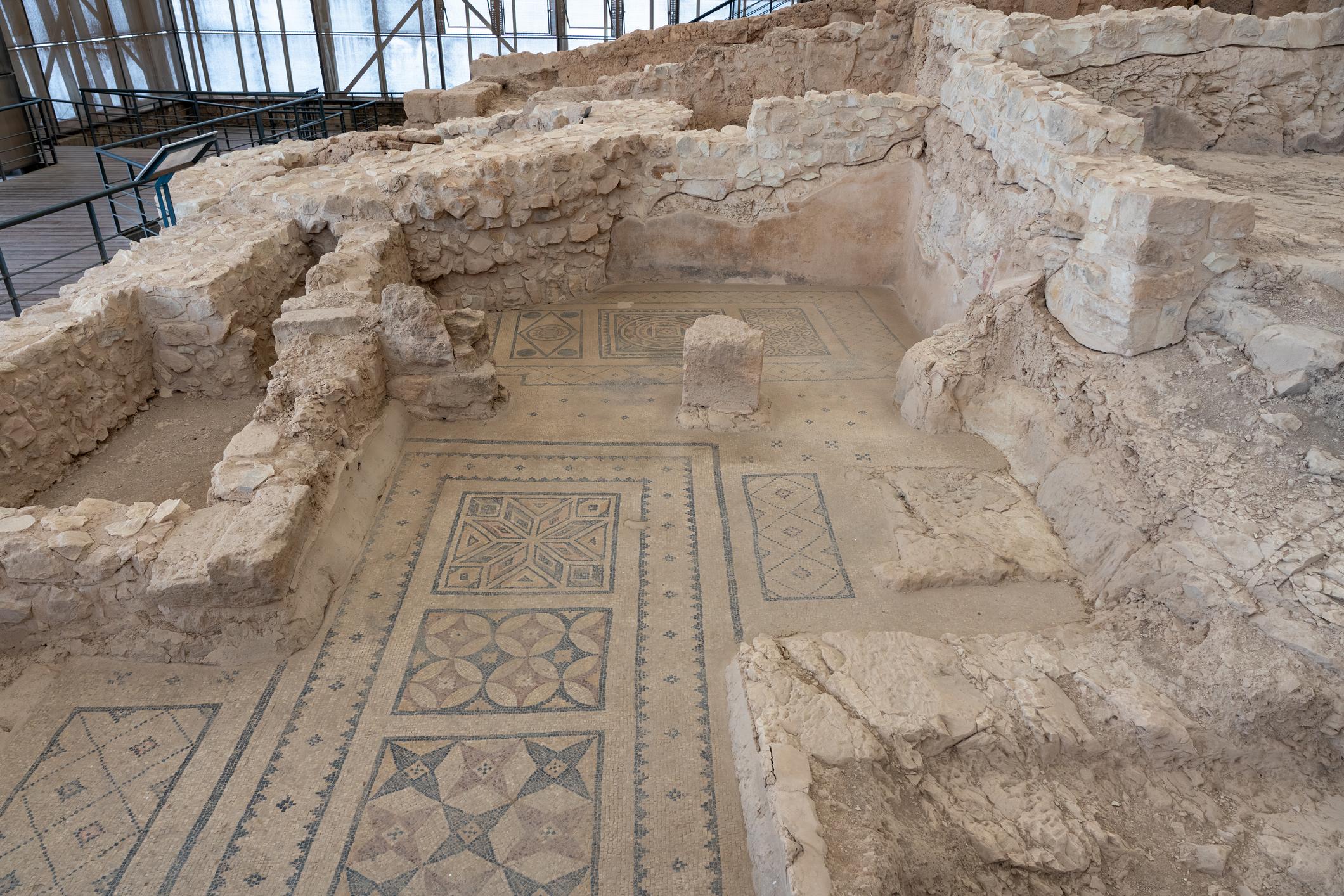
Early hotel pick-up from your hotel in Istanbul and transfer to the airport for your flight to Gaziantep. The flight takes approximately 1 hour and 40 minutes. At your arrival at Gaziantep airport, meet your professional guide to start your visit at Zeugma Ancient City. The city is located approximately 55 km east of Gaziantep near Belkis Village. Zeugma was founded around 300 BC by Seleucus I Nicator and later became one of the Roman Empire’s most prosperous eastern cities. Explore the excavated Roman villas, observe preserved mosaic floors in their original locations, and learn about the rescue excavations that saved countless artifacts before parts of the ancient city were submerged by the Birecik Dam.
Enjoy authentic Gaziantep cuisine at a local restaurant, famous throughout Turkey for its rich culinary traditions.
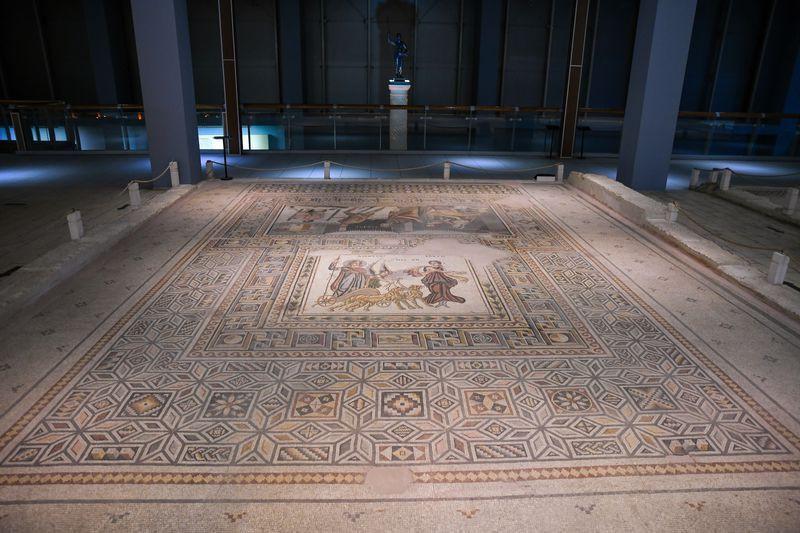
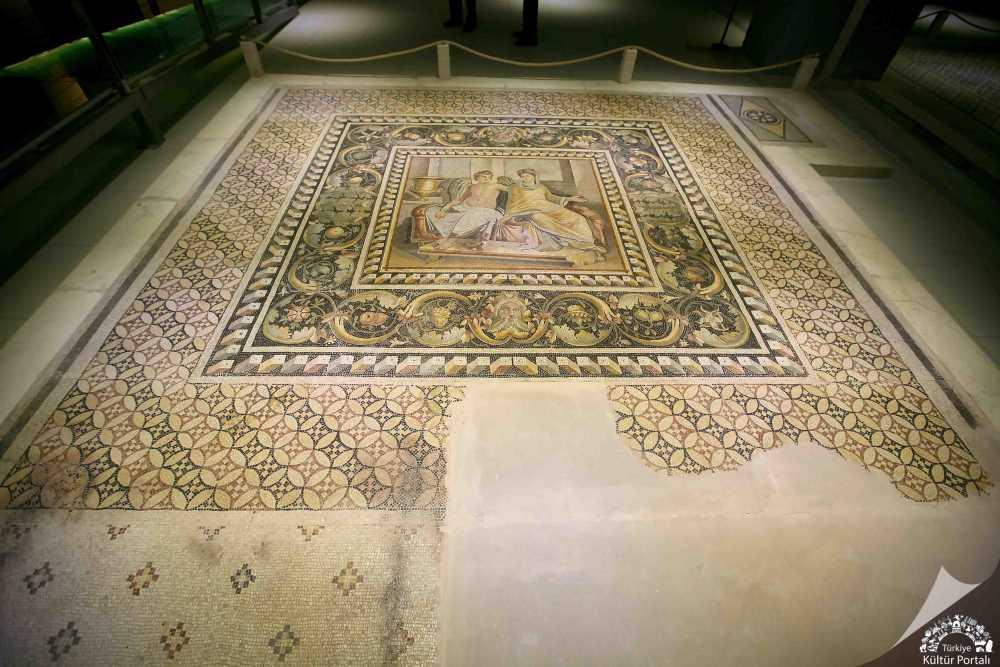
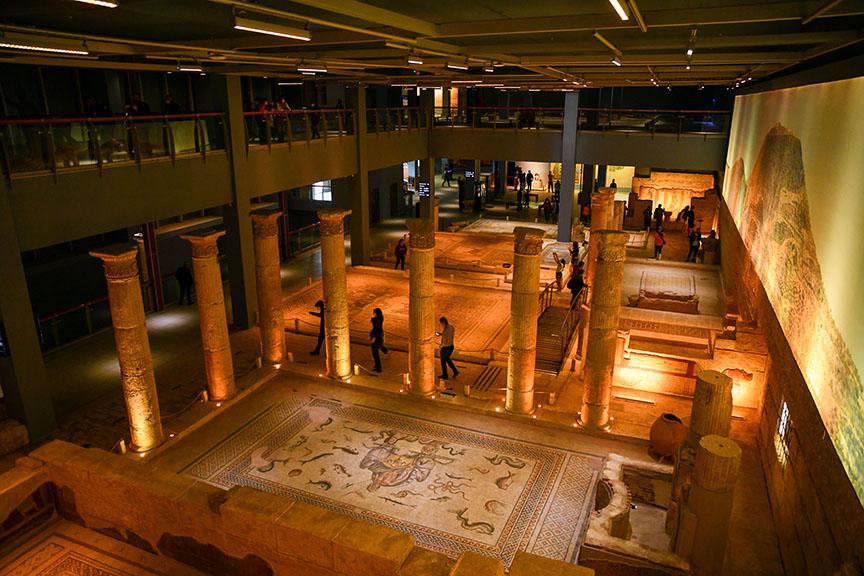
After lunch, we will visit Zeugma Mosaic Museum. The museum houses more than 3,000 square meters of mosaics recovered from the ancient city and is considered one of the world’s most important mosaic museums.
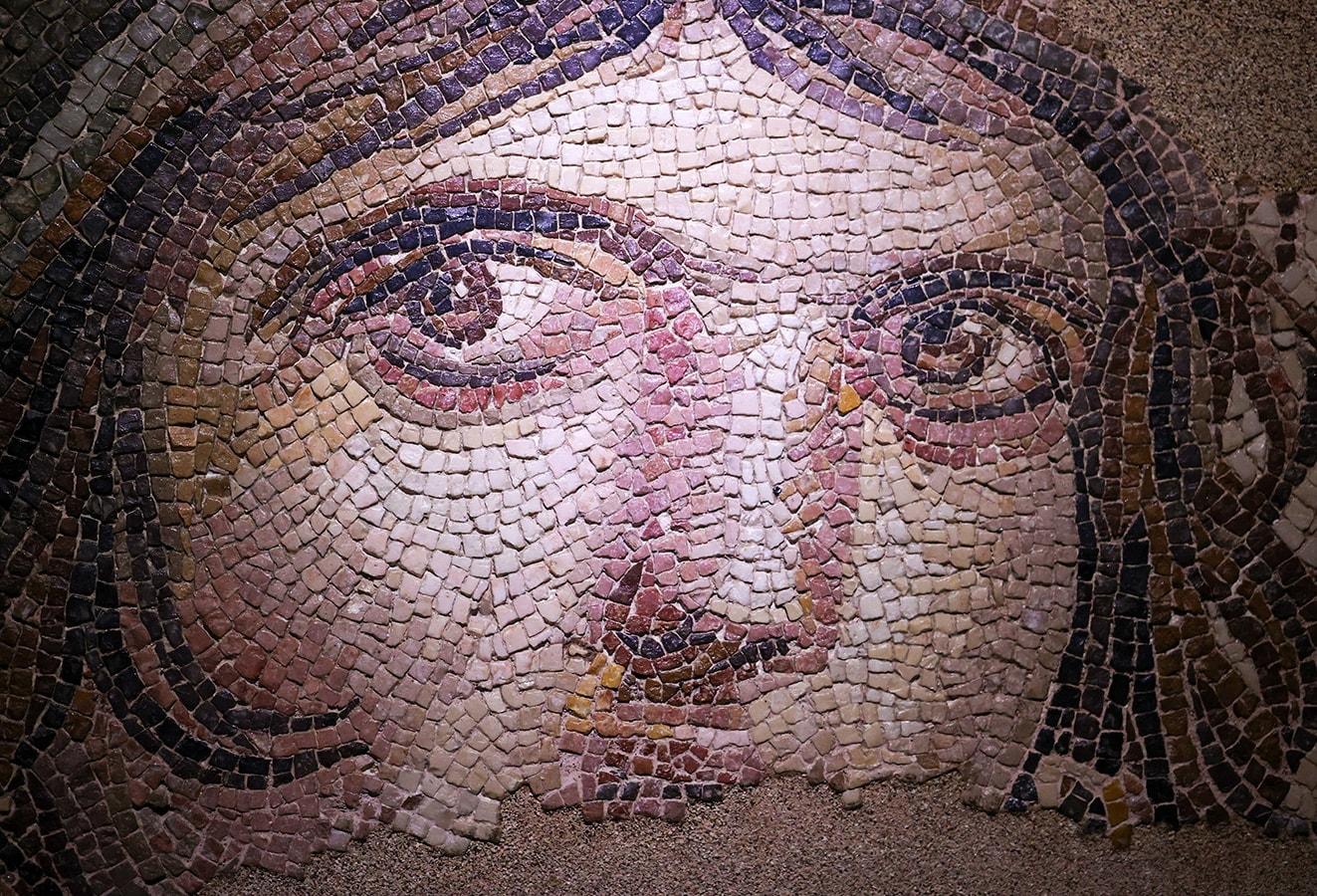
Highlights in the museum: The legendary Gypsy Girl mosaic, Oceanus and Tethys mosaic, Dionysus villa mosaics, The bronze statue of Mars, Roman fountains and frescoes.
After the tour free time for optional shopping for local pistachios, baklava, copperware and traditional handicrafts.
Transfer to Gaziantep Airport for your return flight to Istanbul in the evening. Upon arrival transfer to your hotel in Istanbul.
- Early morning departures and late evening returns are required.
- Summer temperatures in southeastern Turkey can exceed 35°C (95°F).
- The archaeological site has uneven terrain and limited shade.
- The tour is not fully wheelchair accessible due to the nature of the archaeological site.
- Visitors should carry a valid passport or ID for domestic flights.
- Museum opening hours and entrance fees may change without prior notice.
- Photography is permitted in most areas; flash photography may be restricted inside the museum.
What's Included
- Airport transfers in Istanbul
- Round-trip domestic flights (Istanbul – Gaziantep – Istanbul)
- Airport taxes and fuel surcharges
- Professional licensed English-speaking guide
- Air-conditioned transportation throughout the tour
- Entrance fees to Zeugma Ancient City and Zeugma Mosaic Museum
- Lunch at a local restaurant
Not Included
- Personal expenses
- Additional food and beverages
- Tips and gratuities
- Travel insurance
- Optional shopping expenses
- Comfortable walking shoes – you’ll walk a lot on museum floors and possibly uneven outdoor terrain if you visit the ruins
- Light, breathable clothing (especially in summer) – Gaziantep can get very hot
- Hat or cap – strong sun exposure, especially at the site
- Sunglasses + sunscreen – very important for outdoor parts of the tour
- Water bottle – hydration is essential (some areas have limited shade)
- Small backpack – easier than carrying a handbag all day
- Camera or phone with good storage – the mosaics are very photogenic
- Power bank – long touring days drain battery quickly
- Cash (small amount) – for snacks, drinks, or personal expenses
- Light jacket (spring/autumn) – museums are air-conditioned, and mornings can be cool
Frequently Asked Questions
The direct flight usually takes around 1 hour and 45 minutes, making Gaziantep a perfect choice for a brief cultural escape.
We recommend booking at least 2-4 weeks in advance to secure preferred flight schedules, accommodation, and guide availability, especially during the spring and autumn travel seasons.
Yes. Travel Inn Turkey specializes in tailor made itineraries. The tour can be customized according to your interests, schedule, preferred accommodation, culinary experiences, or extra historical sites.
Travel Inn Turkey offers expertly crafted private cultural journeys with licensed local guides, thoughtfully arranged itineraries, comfortable transport, reliable service, and personalized support from booking to the end of your trip.
The ancient city is located near Nizip, approximately 50 km east of Gaziantep, making it an easy excursion from the city.
Spring April to June and autumn September to November offer the most pleasant weather for sightseeing although the tour operates throughout the year.
There is moderate walking on uneven archaeological terrain and within museum galleries. Comfortable footwear is strongly recommended.
Yes. Families with children are welcome. The museums and archaeological sites offer an educational and enjoyable experience for visitors of all ages.
Gaziantep is famous for Traditional Baklava, Ali Nazik Kebab, Beyran Soup, Lahmacun, Katmer, Pistachio desserts, Menengic Coffee.
Depending on the chosen package, lunch may be included, Many visitors prefer to savor authentic Gaziantep cuisine at selected local restaurants.
Comfortable walking shoes, lightweight clothing fit for the season, a hat, sunglasses and sunscreen are recommended especially in the warmer months.
Gaziantep is one of Turkey's most fascinating cultural destinations known for its archaeological treasures, remarkable museums, authentic bazaars, centuries old traditions and world famous gastronomy. Its hidden corners, narrow streets, historic inns, artisan workshops, spice filled markets and local neighborhood flavors, add a unique character to the city.
Yes. Travel Inn Turkey offers this experience as a private tour, allowing you to enjoy a personalized itinerary, flexible pace, and dedicated licensed guide.
Absolutely. This tour is perfect for travelers drawn to Roman history, archaeology, ancient civilizations, art, and UNESCO-listed cultural heritage in southeastern Turkey.
Zeugma Archaeological Site is an ancient Hellenistic and Roman city near Nizip in Gaziantep Province, southeastern Turkey. Founded around the 3rd century BCE by Seleucus I Nicator, it later grew into an important Roman frontier city on the Euphrates River, serving as a trade, military, and cultural center.
Zeugma lies near Belkis village in Nizip district, about 50 km east of Gaziantep, Turkey. It stands by the Euphrates, at a vital ancient bridge between Anatolia and Mesopotamia.
Zeugma was a major frontier city of the Roman Empire in the East. It guarded trade routes, hosted Roman legions, and served as a cultural link between Greco-Roman and Near Eastern worlds. Its name means bridge or crossing, mirroring its role as a vital Euphrates crossing point.
Zeugma is world-famous for its exceptionally well-preserved Roman mosaics, which decorated the floors of wealthy villas between the 1st and 3rd centuries CE. These mosaics depict mythological scenes, gods, geometric patterns, and daily life, showcasing the artistic richness of Roman elite culture.
Most rescued mosaics from the site are shown at the Zeugma Mosaic Museum in Gaziantep, one of the world’s largest mosaic museums. The museum protects and presents artifacts saved during excavations, especially before the Birecik Dam was built.
A major part of the old city was flooded in the early 2000s because of the Birecik Dam project on the Euphrates River. Rescue archaeological digs were carried out to save mosaics and artifacts before the site was covered.
Yes visitors can explore parts of the archaeological site near Belkis village. However many of the most impressive mosaics and structures are preserved in the Gaziantep Mosaic Museum where these are displayed in a controlled indoor environment.
Excavations have uncovered a broad array of ancient structures, including:
- Roman villas featuring mosaic floors
- Bathhouses (hamams)
- Theaters and agoras
- Military barracks
- City walls and necropolises
- Religious sanctuaries
These discoveries emphasize Zeugmas role as a major and well organized Roman city.
Zeugma was founded around the early 3rd century BCE and reached its peak during the Roman period between the 1st and 3rd centuries CE. The site remained active until late antiquity before gradually declining.
Zeugma mosaics are regarded among the world s finest because of:
- Highly detailed mythological scenes
- Strong color preservation
- Remarkable artistic realism
- Large villa floor designs
- Rare works such as the renowned Gypsy Girl mosaic
Visitors are drawn to Zeugma for its combination of:
- Authentic Roman archaeological remains
- World-class mosaic art
- The nearby Zeugma Mosaic Museum in Gaziantep
- Its scenic Euphrates River setting
- Its role in ancient Mediterranean history
Our partners