


Safranbolu, Turkey: Discover Its Timeless Ottoman Old Town
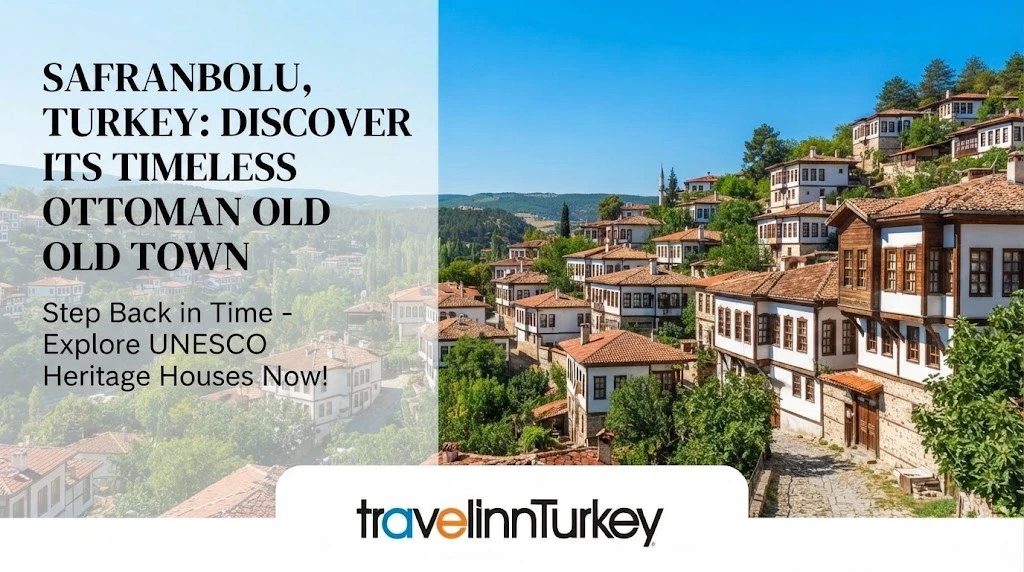
Safranbolu, Turkey
Discover its Timeless Ottoman Old Town
Imagine walking along narrow cobblestone streets, passing elegant white Ottoman mansions with wooden balconies, hearing the gentle sounds of local life, and breathing in the sweet fragrance of freshly ground Turkish coffee and traditional saffron-flavoured delicacies. Welcome to Safranbolu, Turkey, one of the country's most enchanting historical destinations, where centuries of history remain part of everyday life.
Located in the Karabuk province of northern Turkey, Safranbolu is an ideal destination for international travellers seeking authentic Turkish culture, Ottoman architecture, traditional cuisine, and a slower pace of life. Far from the crowds of the country's major tourist centres, this remarkable town offers an opportunity to discover another side of Turkey—one shaped by trade, craftsmanship, hospitality, and the enduring beauty of its historic streets.
For travellers planning a cultural journey through Turkey, Safranbolu deserves a place on the itinerary. Its remarkably preserved historic centre, traditional houses, historic bazaars, and welcoming atmosphere make it a destination where the past is not simply displayed in museums but experienced in the streets themselves.
The History of Safranbolu: A Crossroads of Civilizations
Safranbolu's history stretches back to ancient times, when the wider region was inhabited by different peoples and formed part of successive kingdoms and empires in Anatolia. The town's historical development reflects the wider story of northern Asia Minor, shaped by changing political powers, regional commerce, and cultural exchange.
In antiquity, the surrounding area was associated with the Paphlagonian region of northern Anatolia. Over the centuries, it came under the influence of Hellenistic kingdoms, the Roman Empire, and the Byzantine Empire before becoming part of the expanding Turkish world.
During the medieval period, Turkish principalities gained influence in the region. Safranbolu subsequently became part of the Ottoman realm and developed into an important settlement along routes connecting inland Anatolia with the Black Sea region.
The town's greatest architectural legacy emerged during the Ottoman period, particularly from the 17th to the 19th centuries. Trade, skilled craftsmanship, and the movement of merchants helped the settlement prosper. Wealthy families built substantial residences, religious foundations supported community life, and commercial districts grew around traditional markets.
Safranbolu's historic centre preserves much of this urban character. Its mosques, inns, baths, fountains, shops, and mansions reveal how a prosperous Ottoman town was organised and how its residents lived, worked, and traded.
Why Is Safranbolu a UNESCO World Heritage Site?
Safranbolu gained international recognition when its historic town was inscribed on the UNESCO World Heritage List in 1994. The town is celebrated for preserving an outstanding example of a traditional Ottoman urban settlement, including its architecture, street layout, and historic commercial environment.
Unlike destinations where only a handful of monuments survive, Safranbolu offers a more complete historical atmosphere. Residential streets, marketplaces, traditional houses, and public buildings collectively help visitors understand the relationship between domestic life, trade, religion, and community in the Ottoman era.
Its UNESCO status makes Safranbolu particularly appealing to travellers interested in architectural heritage, cultural tourism, photography, and living history. Walking through the old town can feel like stepping into another century, yet the streets remain connected to the rhythms of contemporary Turkish life.
Safranbolu's Famous Ottoman Houses: Architecture with a Story
One of the first things visitors notice in Safranbolu is its distinctive collection of traditional Ottoman houses. Many feature whitewashed walls, dark timber framing, red-tiled roofs, projecting upper floors, and beautifully proportioned windows.
These houses were designed around the practical and social needs of their inhabitants. Spacious interiors, wooden ceilings, built-in cupboards, and rooms arranged for different activities reveal the importance of family life and hospitality in traditional Ottoman society.
Many historic residences also reflect a sophisticated understanding of the local climate and landscape. Their layouts, courtyards, and construction materials helped residents adapt to seasonal temperatures while making efficient use of limited urban space.
Some houses have been restored and converted into boutique hotels, museums, cafes, and cultural spaces. Staying in a carefully restored historic mansion can offer international guests a memorable alternative to conventional accommodation, allowing them to experience the atmosphere of traditional architecture while enjoying modern comforts.
For photographers, the streets of Safranbolu are especially rewarding. Timber-framed facades, old stone walls, wooden doors, and balconies create beautiful compositions throughout the historic neighbourhoods.
The Old Bazaar: Discover the Commercial Heart of Safranbolu
The historic bazaar is one of the best places to understand Safranbolu's relationship with trade and craftsmanship. For generations, merchants and artisans served residents, travellers, and traders passing through the region.
Today, the old commercial district remains one of the town's most attractive areas. Visitors can explore small shops selling traditional handicrafts, Turkish sweets, souvenirs, textiles, and locally produced goods. Historic streets and traditional storefronts provide a glimpse into the commercial life that helped Safranbolu flourish.
The atmosphere is particularly appealing to travellers who prefer discovering destinations on foot. Instead of rushing from one major attraction to another, visitors can stop for Turkish tea, speak with shopkeepers, observe local crafts, and enjoy the details of the historic environment.
The bazaar is also an excellent place to purchase gifts that reflect the region's identity. Choosing locally made products can make a visit more meaningful while helping support the town's small businesses and traditional skills.
Cinci Han and Cinci Hamam: Ottoman Life in Stone
Two important historical landmarks in Safranbolu are Cinci Han and Cinci Hamam, which illustrate the significance of commerce and public bathing in Ottoman society.
Cinci Han, a historic caravanserai, was built in the 17th century. Caravanserais provided accommodation and practical facilities for merchants, travellers, and their animals along important trade routes. Their courtyards and surrounding rooms supported the movement of goods and people, making them essential to commercial life.
Today, Cinci Han remains one of Safranbolu's most recognizable historic structures. Its substantial stone architecture offers a sense of the scale and organisation of Ottoman-era trading establishments.
Nearby, Cinci Hamam reflects the longstanding tradition of Turkish public baths. Hammams were important not only for personal cleanliness but also for social interaction and community customs. They formed part of the everyday urban infrastructure of Ottoman towns.
Together, these landmarks help visitors imagine the travellers who once arrived in Safranbolu after long journeys, seeking rest, refreshment, and the services of a prosperous commercial settlement.
Hidirlik Hill: The Best Place to Appreciate Safranbolu's Beauty
For a memorable panoramic view, visitors should make their way to Hidirlik Hill. From this elevated viewpoint, the historic town spreads across the landscape, revealing its clusters of traditional houses, red roofs, minarets, and surrounding green hills.
The viewpoint is particularly attractive for photography, especially in the early morning and late afternoon, when changing light highlights the textures and colours of the old town.
Hidirlik Hill also offers a useful introduction to Safranbolu's geography. The relationship between the historic settlement, the surrounding hills, and the valley helps explain the town's distinctive layout and the way its architecture developed within the landscape.
For many visitors, this is the moment when Safranbolu's architectural heritage becomes most impressive: the historic houses are not isolated monuments but part of a complete and harmonious townscape.
The Living Heritage of Safranbolu: What Is Life Like Today?
Although Safranbolu is internationally known for its Ottoman heritage, it is not simply an open-air museum. It is a living Turkish town where residents continue to work, study, shop, raise families, and maintain local traditions.
Beyond the busiest tourist streets, visitors can encounter neighbourhood shops, bakeries, cafes, everyday markets, and residential lanes. These places offer a more personal view of contemporary life in northern Turkey.
Traditional architecture remains central to the town's identity. Some historic houses continue to be used as family homes, while others have found new purposes as guesthouses, restaurants, museums, and cultural venues. The challenge of preserving historic buildings while meeting modern needs is part of Safranbolu's continuing story.
Tourism has become an important part of the local economy, creating opportunities for accommodation providers, restaurant owners, artisans, guides, and small businesses. At the same time, the town's appeal depends on maintaining the character that makes it special.
For international visitors, Safranbolu offers a chance to experience Turkish hospitality in a more intimate setting. A conversation over tea, a leisurely meal, or a walk through a quiet residential street can become just as memorable as visiting a major landmark.
What to Eat in Safranbolu: Local Flavours You Should Try
A visit to Safranbolu is not complete without exploring its traditional food culture. The town is especially famous for saffron, the valuable spice that gives the region part of its identity and is associated with its name.
Safranbolu saffron is used in selected local culinary preparations and traditional products. Travellers may find saffron-flavoured sweets, drinks, or other regional specialities, although recipes and availability vary between establishments.
Another local favourite is Safranbolu lokumu, a regional style of Turkish delight. These soft, sweet confections are sold in a variety of flavours and make popular gifts for visitors to take home.
Traditional Turkish breakfasts, freshly baked goods, soups, meat dishes, and home-style meals can also be part of the culinary experience. Many cafes and restaurants occupy historic buildings, allowing visitors to enjoy local food surrounded by traditional architecture.
For travellers who enjoy discovering destinations through their cuisine, Safranbolu offers an appealing combination of regional flavours, Turkish hospitality, and the pleasure of taking time over a meal.
Saffron: The Spice That Helps Define Safranbolu
Saffron is one of the world's most valuable spices, obtained from the delicate red stigmas of the purple Crocus sativus flower. Its distinctive aroma, colour, and labour-intensive harvesting process have made it prized in cooking and traditional products for centuries.
The Safranbolu region is associated with saffron cultivation, and the spice contributes to the area's agricultural and cultural identity. During the flowering and harvesting season, the surrounding countryside can offer a different perspective on the region beyond its historic buildings.
For visitors, learning about saffron provides a connection between the town's name, its agricultural heritage, and its contemporary local economy. Travellers may be able to find saffron products in local shops, but it is worth asking about the origin and authenticity of the spice before purchasing it.
The surrounding countryside also provides opportunities to appreciate the landscapes and rural traditions that complement Safranbolu's architectural heritage.
Things to Do in Safranbolu: Experiences for Every Traveller
Safranbolu is an excellent destination for visitors who enjoy combining sightseeing with relaxed exploration. Its compact historic centre makes it possible to discover many attractions on foot, although some routes include slopes and uneven cobblestones.
Walk through the historic old town and admire the Ottoman houses, explore the traditional bazaar, visit local museums and heritage buildings, and stop at Hidirlik Hill for panoramic views.
Take time to discover Cinci Han and other historic public buildings, browse handicraft shops, and enjoy a traditional Turkish breakfast or a cup of tea in a local cafe. Travellers interested in architecture can pay attention to the details of wooden balconies, rooflines, doors, and interior design.
Depending on the season and opening arrangements, visitors may also explore nearby natural attractions and villages in the wider region. Yoruk Village, known for its traditional settlement character, is a possible excursion for those wishing to discover more of the area's cultural heritage.
Whether travelling as a couple, with friends, or as part of a cultural tour, Safranbolu rewards visitors who leave room in their schedule for spontaneous discoveries.
When Is the Best Time to Visit Safranbolu?
Spring and autumn are attractive seasons for exploring Safranbolu on foot. The weather is often suitable for walking, photography, and visiting historical sites, although conditions vary from year to year.
Summer generally brings warmer weather and longer days, making it convenient for exploring the old town and surrounding countryside. It can also be a busier period for tourism.
Winter offers a different atmosphere, with colder temperatures and the possibility of snow transforming the historic rooftops and surrounding hills. Travellers considering a winter visit should prepare for cold weather and check road conditions.
For visitors interested in saffron, autumn is particularly relevant because the flowering and harvesting period generally occurs around October and November, depending on local conditions.
Whatever the season, comfortable walking shoes are recommended because the historic streets can be steep, uneven, or slippery in wet weather.
Why Safranbolu Belongs on Your Turkey Travel Itinerary
Turkey is famous for Istanbul's monumental mosques, Cappadocia's extraordinary landscapes, and the ancient ruins of Ephesus. Yet destinations such as Safranbolu reveal another essential part of the country's identity: the everyday architecture, craftsmanship, food, and social traditions that shaped its towns over generations.
Safranbolu stands out because its heritage is experienced across an entire historic settlement rather than at a single archaeological site. Its preserved Ottoman houses, historic caravanserai, traditional bazaar, and living neighbourhoods create an unusually rich cultural experience.
For travellers seeking authenticity, history, architecture, and meaningful encounters with local life, Safranbolu offers a refreshing alternative to a conventional sightseeing itinerary. It invites visitors to slow down, look closely, and appreciate the stories behind the streets and buildings.
Discover Safranbolu with Travel Inn Turkey
At Travel Inn Turkey, we believe that discovering Turkey means exploring both its world-famous landmarks and the places where the country's cultural traditions remain part of everyday life.
Safranbolu is a destination for curious travellers who want more than photographs of beautiful buildings. It is a place to understand Ottoman urban life, discover regional flavours, meet local artisans, and appreciate the relationship between history and modern Turkey.
Whether you are planning a cultural holiday, a heritage-focused road trip, or a longer journey through northern Anatolia, consider adding Safranbolu to your travel plans.
Discover the timeless beauty of Safranbolu with Travel Inn Turkey, and experience a remarkable corner of Turkey where history is still alive.
Our partners