


Turkish Winter Food Guide: Traditional Soups, Kebabs and Warming Drinks
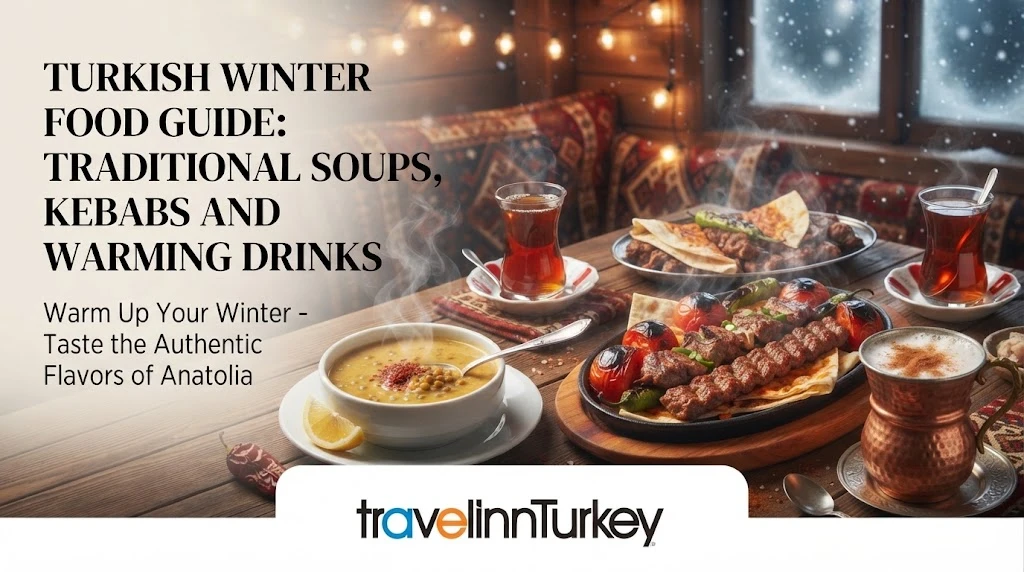
Turkish Winter Food Guide
Traditional Soups, Kebabs and Warming Drinks
By Travel Inn Turkey
When winter arrives in Turkey, the country’s rich culinary traditions offer an unforgettable way to experience its culture, history and regional diversity. From steaming bowls of traditional soup and slow-cooked meat dishes to sizzling kebabs, freshly baked pastries, sweet baklava and comforting cups of salep, Turkish winter food brings warmth and character to the colder months.
For international travellers, winter is an excellent opportunity to explore Turkey beyond its famous historical landmarks. Every region has its own culinary traditions, shaped by local ingredients, climate, geography and centuries of cultural exchange. Whether you are wandering through Istanbul’s historic streets, exploring the snowy landscapes of eastern Anatolia or enjoying the flavours of southeastern Turkey, you will discover dishes that make the winter journey even more memorable.
At Travel Inn Turkey, we invite you to discover Turkey through its food and explore the regional specialities that make the country a rewarding destination throughout the year.
1. Turkish Soups: The Perfect Start to a Winter Meal
Soup, known as corba in Turkish, is an essential part of the country’s food culture. It may be served at breakfast, before a main course or as a satisfying meal in its own right. During winter, traditional soups are particularly appealing because they are served hot and often combine legumes, grains, yoghurt, vegetables or meat.
Mercimek Corbası – Turkish Red Lentil Soup
Red lentil soup is one of Turkey’ s best-known dishes and a favourite in restaurants throughout the country. Prepared with red lentils, onions, carrots, tomato or pepper paste and seasonings, it has a smooth texture and a rich, savoury flavour.
Usually served with fresh lemon, mercimek corbasi is an excellent introduction to Turkish cuisine. It is widely available in Istanbul, Ankara, Izmir and many other destinations.
Ezogelin Corbasi – A Traditional Soup from Southeastern Turkey
Ezogelin soup combines red lentils, rice, bulgur, tomato paste, pepper paste and spices. Associated with southeastern Anatolia and traditional Turkish home cooking, it is a hearty choice for a cold day.
Its comforting consistency and distinctive seasoning make it especially appealing to travellers who want to discover the flavours of the region.
Tarhana Corbasi – A Winter Classic
Tarhana soup is prepared using tarhana, a fermented mixture commonly made from yoghurt, flour, vegetables and seasonings. The mixture is dried and stored for later use, making it particularly valuable in traditional winter kitchens.
When cooked with water or stock and seasoned with butter, dried mint or red pepper, tarhana becomes a warming, flavourful soup. Recipes vary between regions and households, giving visitors an opportunity to discover different interpretations of this traditional dish.
Iskembe Corbasi – Traditional Turkish Tripe Soup
For adventurous food lovers, Iskembe corbasi is one of Turkey’ s most distinctive traditional soups. Made with tripe, it is often served with garlic, vinegar and red pepper according to personal preference.
Tripe soup is available in specialist soup restaurants, including establishments that serve customers late at night or in the early morning. It is especially worth trying if you want to experience a less familiar side of Turkish culinary culture.
Kelle Paca Corbasi – Hearty Head-and-Trotter Soup
Kelle paca is a traditional soup prepared using parts of the animal’s head and feet, depending on the regional recipe. Slow cooking produces a rich broth, often enhanced with garlic, lemon, vinegar or spices.
It is popular in various parts of Turkey, particularly in establishments specializing in traditional meat soups. Visitors who enjoy rustic, substantial dishes may find it one of the most memorable winter foods to try.
Dugun Corbasi – Traditional Wedding Soup
Dugun corbasi, meaning wedding soup, is traditionally associated with celebrations and communal meals. Many versions combine meat stock, lamb or other meat, and a thickened broth finished with butter.
Although it is not exclusively a winter dish, its warm, nourishing character makes it an excellent choice during colder weather.
Arabasi Corbasi – A Winter Favourite in Central Anatolia
Arabasi is particularly associated with parts of Central Anatolia, including Yozgat and neighbouring areas. It traditionally features a spicy chicken or other poultry broth served with a special firm dough prepared from flour and water.
Rather than simply mixing the dough into the soup, diners take small pieces of it and swallow them with the broth. This unusual way of eating makes arabasi a distinctive regional experience and a wonderful dish to discover during a winter visit.
Regional Meat Soups Worth Discovering
Turkey offers many other local soups that deserve attention:
Kelle corbasi: A traditional soup prepared from the head of an animal, with recipes varying by region.
Paca corbasi: A rich soup made from animal feet or other suitable cuts, depending on the local preparation.
Tavuk suyu corbasi: Chicken-broth soup, often prepared with rice, vermicelli or vegetables.
Nohutlu paca: A regional preparation combining chickpeas and paca-style soup.
Guluklu iskembe: A regional tripe-soup speciality associated with Antalya's culinary traditions.
Tandir corbasi: A traditional soup associated with slow-cooked meat preparations in some regional cuisines.
These dishes illustrate how Turkish cooks transform meat, bones, legumes and grains into a remarkable variety of broths and soups. Availability and ingredients can differ from one town to another, so asking about the local speciality is often the best way to discover something new.
2. Turkish Kebabs: Rich Flavours for Cold Days
Kebabs are among the most internationally recognised elements of Turkish cuisine. Although they are enjoyed throughout the year, their rich flavours and satisfying portions make them particularly attractive after a day of sightseeing in cold weather.
Adana Kebab – A Spicy Speciality from the South
Originating in Adana, this famous kebab is prepared with minced meat, traditionally lamb, and carefully balanced seasonings. It is shaped onto a long skewer and grilled over charcoal.
Adana kebab is commonly served with flatbread, grilled vegetables, onions and fresh herbs. Its spicy character makes it an excellent choice for visitors who enjoy bold flavours.
Urfa Kebab – A Milder Alternative
Urfa kebab comes from Sanliurfa in southeastern Turkey. It is similar in its general preparation to Adana kebab but is usually less spicy.
The flavour of the meat, the charcoal grilling and the accompanying vegetables are central to the experience. A visit to southeastern Turkey offers an excellent opportunity to explore the differences between these two celebrated kebabs.
Cag Kebabi – The Signature Kebab of Erzurum
In eastern Turkey, cag kebabi is a speciality associated with Erzurum. Traditionally prepared with seasoned lamb cooked horizontally over a wood fire, it is sliced from the rotating meat and served on small skewers.
Its distinctive cooking method and smoky flavour make it especially appealing during a winter trip to eastern Anatolia, where visitors can combine regional food with snowy landscapes and historic sites.
Iskender Kebab – A Bursa Classic
Bursa is famous for Iskender kebab, which features thinly sliced doner meat served over pieces of bread with tomato sauce, yogurt and melted butter.
It is a substantial dish and a wonderful choice for travellers exploring Bursa's Ottoman heritage. The combination of warm bread, meat, sauce and yogurt creates a memorable regional meal.
Testi Kebabi – The Pottery Kebab of Cappadocia
Cappadocia is known for testi kebabi, a slow-cooked dish prepared with meat and vegetables in a sealed earthenware pot.
The pot is opened before serving, often creating a memorable moment at the table. The dish is particularly enjoyable after exploring Cappadocia's rock formations, underground cities and valleys in the cooler months.
Other Kebabs to Try in Winter
Turkey' s regional kebab traditions extend well beyond these famous examples:
Tandir kebabi: Meat slow-cooked until tender, associated with several regions, including Konya and central Anatolia.
Beyti kebab: Grilled minced meat wrapped in flatbread and served with sauce and yogurt.
Sis kebabi: Pieces of seasoned meat grilled on skewers.
Patlican kebabi: Meat cooked or grilled with aubergine, particularly associated with southeastern cuisine.
Orman kebabi: A traditional meat stew with vegetables, offering a comforting alternative to grilled kebabs.
Guvec: Meat and vegetables slow-cooked in an earthenware pot, with regional variations across Turkey.
Not every kebab is specifically a winter dish. However, grilled meats, slow-cooked stews and oven-baked specialities provide satisfying options during a cold-weather culinary journey.
3. Slow-Cooked Meat Dishes and Regional Winter Specialities
Winter cuisine in Turkey is not limited to soup and kebab. Across Anatolia, traditional home cooking includes stews, oven dishes and meals based on meat, beans, bulgur and wheat.
Etli Kuru Fasulye – White Beans with Meat
Kuru fasulye, a traditional white-bean stew, is a familiar favourite throughout Turkey. It is often prepared with tomato paste and may include beef or other meat, depending on the recipe.
Served with rice or bulgur pilaf, it is a satisfying meal during the colder months. You will find different versions in family restaurants and traditional eateries.
Hunkar Begendi – An Ottoman-Inspired Classic
Hunkar begendi combines tender meat, often lamb or beef, with a creamy aubergine puree. Associated with Ottoman-influenced cuisine, it is a rich and elegant dish that can be enjoyed in Istanbul and other cities.
It is an excellent option for travellers who want to explore the relationship between Turkish culinary traditions and the country's imperial history.
Keskek – A Traditional Dish for Gatherings
Keskek is prepared by cooking wheat with meat until the ingredients become soft and blend together. It is associated with celebrations, communal meals and traditional food customs in various parts of Turkey.
Although it is not exclusive to winter, its hearty consistency makes it well suited to cold weather. Regional versions differ in seasoning and preparation.
Guvec – Meat and Vegetables Cooked Slowly
Guvec refers to dishes cooked in an earthenware pot. Depending on the region and recipe, the ingredients may include lamb or beef, tomatoes, peppers, aubergine and other vegetables.
The slow cooking allows the flavours to develop, making guvec an appealing choice for visitors seeking traditional Turkish comfort food.
Kapama and Other Regional Oven Dishes
In several Turkish regional cuisines, meat and rice or other grains are cooked together in covered pots or ovens. The name, ingredients and preparation can vary considerably.
When visiting a local restaurant, ask about the house speciality or the traditional dishes prepared for winter. These lesser-known meals can offer a more personal insight into regional food culture than internationally famous dishes alone.
4. Baklava and Other Turkish Winter Desserts
After a warming soup or a generous serving of kebab, Turkish desserts provide a delicious finish. Baklava is available throughout the year, but winter offers a particularly inviting opportunity to enjoy it with Turkish tea or coffee in a traditional cafe.
Baklava – Layers of Pastry, Nuts and Syrup
Baklava is made from thin layers of pastry filled with nuts and sweetened with syrup. Pistachio and walnut varieties are especially familiar, although ingredients and styles differ across regions.
Gaziantep is particularly famous for its pistachio baklava. A visit to this southeastern city offers the opportunity to discover the craftsmanship behind one of Turkey' s best-known desserts.
Kunefe – A Warm Cheese Dessert from Hatay
Kunefe is a popular dessert associated with Hatay and the wider southeastern and eastern Mediterranean culinary traditions. It is prepared with fine strands of pastry, cheese and syrup, then served warm.
Its contrast of crisp pastry, melted cheese and sweetness makes it an appealing dessert on a cold evening.
Firin Sutlac – Turkish Baked Rice Pudding
Firin sutlac is a traditional rice pudding finished in the oven until the surface develops a lightly browned top. Made with milk, rice and sugar, it offers a gentler alternative to syrup-rich desserts.
It is widely available in Turkish restaurants and dessert shops and is a good option for visitors who prefer a creamy sweet.
Kabak Tatlisi – Sweet Pumpkin Dessert
Kabak tatlisi is prepared by cooking pumpkin with sugar until tender. It is commonly served with walnuts or tahini, depending on the local style.
The dish is particularly appealing during the autumn and winter months, when pumpkin is a familiar seasonal ingredient.
Other Desserts Worth Trying
Sekerpare: Soft, syrup-soaked semolina-based pastries.
Revani: A sweet semolina cake soaked in syrup.
Asure: A traditional pudding made with grains, pulses, dried fruits and nuts, associated with particular religious and cultural occasions.
Cevizli sucuk: A regional speciality made by coating strings of walnuts in a thickened grape or fruit mixture and drying them.
Dessert traditions differ across Turkey, so try local bakeries and sweet shops rather than limiting yourself to the best-known international favourites.
5. Salep, Turkish Tea and Other Warming Winter Drinks
Turkish winter food is about more than meals. Hot drinks and traditional street snacks are part of the seasonal experience, particularly in cities where visitors spend hours walking outdoors.
Salep – A Traditional Hot Winter Drink
Salep is a warm, creamy drink traditionally prepared with milk, sugar and salep powder derived from orchid tubers. It is often topped with ground cinnamon.
Its thick consistency and gentle sweetness make it a favourite during cold weather. In Istanbul, visitors may find it in cafes and traditional beverage shops throughout the winter season.
Because wild orchids face conservation pressures and salep production is regulated, responsible travellers should choose reputable sellers and legally sourced products.
Turkish Tea – A Daily Ritual
Turkish tea, or cay, is enjoyed throughout the year, including during the coldest months. Served in small, tulip-shaped glasses, it is an important part of Turkish hospitality.
A glass of tea in a historic cafe, a village tea house or a traditional restaurant is a simple way to experience everyday life in Turkey.
Turkish Coffee – Rich and Aromatic
Turkish coffee is prepared by simmering finely ground coffee with water, traditionally in a small pot called a cezve. It is served in small cups, usually with the grounds settling at the bottom.
Enjoying Turkish coffee after a meal offers a chance to slow down and appreciate one of the country's most enduring social traditions.
Boza – A Traditional Cold-Weather Favourite
Boza is a thick, fermented grain drink with a mildly sweet and tangy taste. It is commonly served cold and may be topped with cinnamon and roasted chickpeas.
It is strongly associated with winter in Istanbul and other Turkish cities. Its unusual texture and flavour make it a distinctive choice for travellers interested in traditional seasonal drinks.
Salep, Boza and Roasted Chestnuts in Istanbul
During winter, Istanbul's streets and neighbourhoods offer opportunities to discover seasonal treats. Depending on the weather and the vendor, visitors may come across roasted chestnuts, cups of salep, traditional boza shops and cafes serving Turkish tea.
These simple pleasures are an excellent complement to sightseeing around Sultanahmet, the Grand Bazaar, Beyoglu and other historic neighbourhoods.
6. A Regional Guide to Winter Food Across Turkey
One of the best ways to explore Turkish cuisine is to connect each destination with its local specialities. The following guide introduces dishes that travellers can look for during winter journeys.
Istanbul and the Marmara Region
Istanbul brings together culinary traditions from across Turkey, alongside its own historic food culture.
Look for:
Iskembe and kelle paca soups.
Mercimek and tarhana soups.
Iskender kebab, particularly when visiting Bursa.
Baklava and other traditional pastries.
Salep, boza and roasted chestnuts during winter.
Istanbul is a particularly convenient destination for food lovers because regional dishes from many parts of the country are represented in its restaurants and specialist eateries.
Central Anatolia: Ankara, Yozgat and Konya
Central Anatolia is known for hearty dishes that are well suited to cold weather.
Look for:
Arabasi soup, particularly in Yozgat and surrounding areas.
Etli ekmek, a speciality associated with Konya.
Tandir-style meat dishes.
Traditional tarhana and grain-based soups.
Keskek and other wheat-based dishes.
The region's culinary traditions reflect a long history of agricultural life, livestock raising and practical methods of preserving food.
Cappadocia and Nevsehir
Cappadocia is famous for its extraordinary landscapes, but its food is another reason to visit.
Look for:
Testi kebabi.
Slow-cooked meat and vegetable dishes.
Traditional soups and stews.
Local pastries and desserts.
A winter visit combines regional dining with opportunities to explore Goreme, Uchisar, underground cities and the region's distinctive rock formations. Weather conditions can affect outdoor activities, so plan flexibly.
Eastern Anatolia: Erzurum, Kars and Van
Eastern Turkey experiences some of the country's coldest winter conditions, and its food culture includes substantial meat dishes, dairy products and grain-based meals.
Look for:
Cag kebabi in Erzurum.
Kars gravyer cheese and other regional dairy products.
Kars goose dishes, where available and in season.
Local soups, meat stews and traditional breads.
Regional dairy products and honey.
This region is especially attractive to travellers interested in combining gastronomy with snowy scenery, historic architecture and winter experiences.
Southeastern Anatolia: Gaziantep, Sanliurfa and Adana
Southeastern Turkey is one of the country's most celebrated culinary regions, known for its kebabs, spices, pistachios and rich dessert traditions.
Look for:
Adana kebab in Adana.
Urfa kebab in Sanliurfa.
Ezogelin soup and regional lentil dishes.
Pistachio baklava in Gaziantep.
Kunefe in Hatay.
Regional meat soups, including kelle and paca varieties.
A journey through this region provides an opportunity to discover how ingredients, cooking techniques and local traditions create distinctive food identities from one city to the next.
The Black Sea Region: Trabzon, Rize and Ordu
The Black Sea region offers a different culinary experience, with fish, maize, leafy vegetables, dairy products and local herbs playing important roles.
Look for:
Hamsi, or anchovies, during the fishing season.
Karalahana corbasi, a soup made with black cabbage or collard greens.
Corn-based dishes and breads.
Kuymak or mihlama, a rich preparation of cornmeal, butter and cheese.
Local fish soups and regional vegetable dishes.
Although the Black Sea is not exclusively associated with meat-heavy winter cuisine, its soups and substantial regional dishes provide a wonderful alternative for travellers exploring the northern coast.
The Mediterranean Region: Antalya and Hatay
The Mediterranean coast has a milder climate than eastern Anatolia, but winter is still an excellent time to explore its culinary traditions.
Look for:
Guluklu Iskembe, a regional soup associated with Antalya.
Kelle paca and other traditional meat soups.
Kunefe in Hatay.
Meat and vegetable stews.
Dishes featuring local citrus fruits, vegetables and herbs.
The region's cuisine reflects a blend of Mediterranean produce and Anatolian cooking traditions.
Southeastern and Eastern Winter Kitchens
In many inland communities, traditional winter preparations also include dried vegetables, preserved foods, grains, bulgur, noodles and stored meat. These ingredients help households prepare satisfying meals when fresh produce is less available.
Such traditions demonstrate how Turkish cuisine has developed in response to different climates and ways of life. Visitors interested in authentic food experiences should consider family-run restaurants, regional markets and local food festivals where available.
7. How to Enjoy a Turkish Winter Food Journey
To make the most of a winter trip, approach Turkish cuisine as a journey through different tastes and traditions rather than a list of dishes to sample all at once.
Start with soup. Order a bowl of mercimek, ezogelin or tarhana before your main course, or visit a specialist soup restaurant to try iskembe or kelle paca.
Choose regional specialities. Try cag kebabi in Erzurum, testi kebabi in Cappadocia, iskender kebab in Bursa or Adana kebab in its home city.
Visit traditional dessert shops. Sample pistachio baklava in Gaziantep or warm kunefe in Hatay.
Enjoy seasonal drinks. Look for salep and boza during winter, and take time for Turkish tea or coffee in a traditional cafe.
Ask about local dishes. Some of Turkey' s most interesting foods are not widely known internationally. Ask restaurant staff which soups and meat dishes are traditionally prepared in their region during the colder months.
Check ingredients if necessary. Many traditional Turkish dishes contain meat, dairy, wheat or nuts. If you have dietary requirements or food allergies, ask about the ingredients and preparation before ordering.
Discover Turkey Through Its Winter Cuisine with Travel Inn Turkey
Winter in Turkey offers much more than snow-covered landscapes and quieter historical sites. It is a season for steaming soup, freshly grilled kebabs, slow-cooked meat dishes, syrup-soaked desserts and traditional drinks enjoyed in welcoming cafes.
From Istanbul's historic soup restaurants to the kebab houses of southeastern Anatolia, the distinctive dishes of Cappadocia and the hearty specialities of Eastern Turkey, every region offers a different way to understand the country's culture.
At Travel Inn Turkey, we encourage travellers to discover these culinary traditions alongside Turkey' s historic monuments, archaeological treasures, spectacular landscapes and vibrant cities.
Whether you are planning a winter city break in Istanbul, a cultural journey through Anatolia or a longer tour across several regions, make time to explore the local cuisine. The dishes you discover along the way may become some of your most memorable travel experiences.
Explore Turkey with Travel Inn Turkey and discover a country where every season brings new flavours, traditions and unforgettable journeys.
Our partners