


Turkish Food Guide: Traditional Dishes, Food Culture and Dining Customs
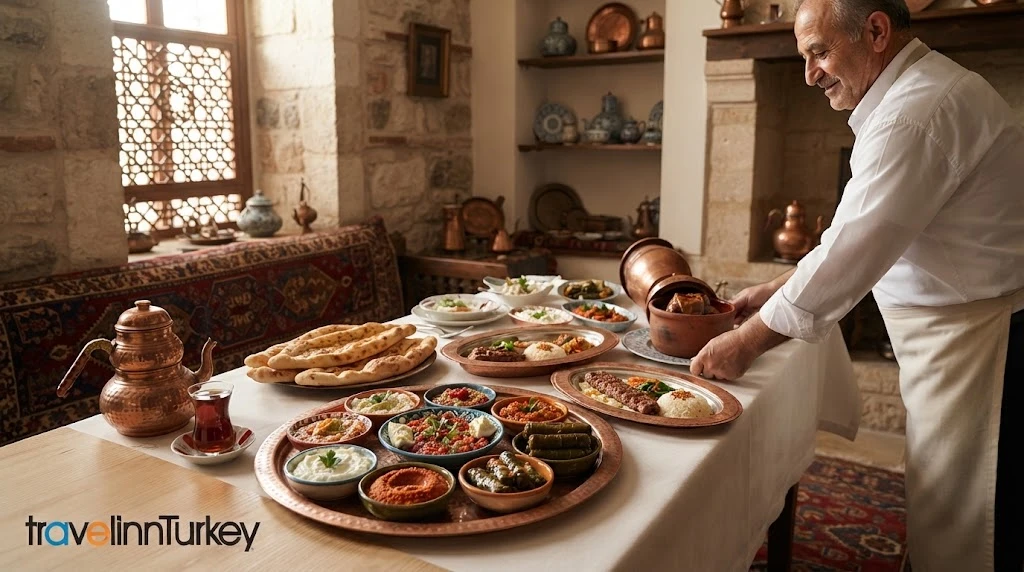
Turkish Food Guide
Traditional Dishes, Food Culture and Dining Customs
Turkish food is much more than kebabs and baklava. It is a reflection of Turkey' s history, geography, traditions and hospitality. From a long breakfast shared around a crowded table to a small cup of Turkish coffee after a meal, food is deeply connected with everyday life and social culture.
Turkey' s culinary heritage has been shaped by Central Asian traditions, Anatolian ingredients, Mediterranean and Aegean influences, and centuries of Ottoman culinary history. This has created one of the world's most diverse food cultures, with each region offering its own ingredients, recipes and specialties.
For travelers, discovering Turkish cuisine is therefore not simply about tasting food. It is a way to experience Turkish culture.
What Makes Turkish Food Special?
One of the most interesting things about Turkish cuisine is its regional diversity.
The food you discover in Istanbul can be very different from what you find in Gaziantep, Cappadocia, the Black Sea region, the Aegean coast or southeastern Turkey.
Fresh vegetables, grains, legumes, yogurt, olive oil, herbs, meat, seafood and locally produced ingredients all play important role in Turkish cooking. Traditional cuisine also includes soups, vegetable dishes cooked with olive oil, pastries, rice dishes, grilled meats, meze and desserts.
Turkish Breakfast: Start the Day Like a Local
Turkish breakfast, known as kahvalti, is one of the most enjoyable ways to experience local food culture.
A traditional breakfast table can include:
- Local cheeses
- Olives
- Tomatoes and cucumbers
- Eggs
- Honey and kaymak
- Homemade jams
- Fresh bread
- Simit
- Sucuk
- Tea
Breakfast is often a social experience rather than a quick meal. In many places, friends and families spend considerable time around the table, sharing food and conversation.
For visitors, a Turkish breakfast can become one of the highlights of a trip.
Meze: Sharing Food and Conversation
Meze refers to a variety of small dishes served as starters or shared plates.
Depending on the region and restaurant, you may find dishes such as hummus, stuffed vine leaves, eggplant preparations, yogurt-based dishes, seasonal vegetables, seafood and different salads.
The idea of sharing several dishes makes meze particularly social. Rather than ordering one large plate for each person, everyone can taste a little of everything.
This reflects an important part of Turkish dining culture: food brings people together.
Turkish Kebabs: More Than One Dish
Kebab is probably one of the first foods many international visitors associate with Turkey.
However, there is no single type of Turkish kebab.
Different regions have developed their own styles and cooking traditions. Adana kebab, for example, is associated with Adana, while other regions are famous for different combinations of meat, spices, vegetables and cooking techniques.
Kebabs are only one part of Turkish cuisine. Visitors should also explore soups, pide, lahmacun, kofte, stuffed vegetables, seafood, pastries and traditional home-style dishes.
Regional Turkish Cuisine
Turkey's geography is one of the main reasons its cuisine is so diverse.
Istanbul
Istanbul brings together culinary influences from many parts of Turkey. Its location between Europe and Asia and its history as an Ottoman capital have helped create an exceptionally varied food scene.
Visitors can experience traditional breakfast, street food, seafood, meze, Turkish desserts and historic dishes in different parts of the city.
Aegean Cuisine
The Aegean region is particularly associated with olive oil, vegetables, herbs, seafood and lighter dishes.
Seasonal wild herbs and fresh local produce are important elements of Aegean food culture.
Black Sea Cuisine
The Black Sea region has its own distinctive culinary identity, with ingredients such as corn, cabbage, anchovies and regional dairy products playing important roles.
Southeastern Turkey
Southeastern Turkey is famous for rich flavors, grilled meats, kebabs, spices, pistachios and desserts.
Gaziantep is particularly well known for its culinary heritage and traditional dishes.
Central Anatolia and Cappadocia
Central Anatolian cuisine includes grains, legumes, meat dishes, soups and traditional baked foods.
Cappadocia also offers visitors the opportunity to discover local dishes while exploring its extraordinary landscapes and villages.
Turkish Street Food
One of the easiest ways to experience Turkish food culture is simply to walk through a Turkish city and try the street food.
Depending on where you travel, you may encounter:
- Simit
- Doner
- Balik ekmek
- Kumpir
- Midye dolma
- Kokorec
- Gozleme
- Lahmacun
- Roasted chestnuts
- Corn
Street food is particularly interesting because it connects travelers with everyday local life.
In Istanbul, food is part of the rhythm of the city, from breakfast markets and bakeries to fish restaurants and busy street stalls.
Turkish Tea and Coffee Culture
Food culture in Turkey does not end with meals.
Tea, or cay, is an important part of Turkish social life, and it is commonly offered to guests, friends and customers.
Turkish coffee has an even deeper cultural significance. It is prepared using finely ground coffee and traditionally brewed in a cezve. The coffee is served in small cups and is associated with hospitality, friendship and conversation. Turkish coffee culture and tradition was inscribed on UNESCO's Representative List of the Intangible Cultural Heritage of Humanity in 2013.
For travelers, drinking Turkish tea or coffee with a local can be a simple but memorable cultural experience.
Turkish Desserts
Turkey has a remarkable selection of desserts.
Some of the best known include:
- Baklava
- Kunefe
- Lokum
- Sutlac
- Kazandibi
- Sekerpare
- Turkish ice cream, or dondurma
Baklava and other desserts can vary considerably depending on the region, ingredients and preparation style.
Pistachios, walnuts, milk, semolina and syrup are common ingredients in many traditional desserts.
Food and Turkish Hospitality
Perhaps the most important part of Turkish food culture is hospitality.
Offering food or tea to a guest is deeply embedded in everyday social life. Meals can be opportunities for families and friends to spend time together, while special dishes are often prepared for celebrations and important occasions.
Food can also play an important role in community traditions. For example, Keskek, a traditional wheat-and-meat dish, is prepared for occasions including weddings, circumcision celebrations and religious holidays. The ceremonial tradition surrounding Keskek was inscribed by UNESCO in 2011.
This demonstrates why Turkish cuisine should be understood as more than a collection of recipes. It is also a form of cultural heritage.
How to Experience Turkish Food as a Traveler
If you are visiting Turkey for the first time, try to experience food in different ways rather than eating only at restaurants aimed at tourists.
You can:
- Have a traditional Turkish breakfast.
- Visit a local food market.
- Try Turkish street food.
- Share several meze dishes.
- Visit a traditional lokanta.
- Taste regional kebabs.
- Try local desserts.
- Drink Turkish tea with locals.
- Experience Turkish coffee.
- Take a Turkish food or cooking tour.
The best culinary experiences often combine food with the places, people and stories behind it.
Turkish Food Is a Journey Through Turkey
From the breakfast table in Istanbul to olive-oil dishes on the Aegean coast, kebabs in southeastern Turkey and tea shared with friends, Turkish food offers travelers a different way to discover the country.
Every region has its own ingredients, recipes and traditions. Every dish can tell a story about geography, history and family.
So when you visit Turkey, don't simply ask "What should I eat?"
Ask:
"What can this food tell me about Turkey?"
That question can turn a meal into a cultural experience — and a holiday into a much richer journey.
Discover Turkish Food and Culture with Travel Inn Turkey
A culinary journey through Turkey can be combined with visits to historic cities, archaeological sites, local markets, villages and famous destinations.
Whether you are exploring Istanbul, Cappadocia, Ephesus, Pamukkale, Antalya or other parts of Turkey, make time to discover the local food as well as the famous sights.
Taste Turkey. Meet its people. Discover its traditions. Experience the country through its food.
Our partners