


Yoros Castle, Istanbul: Discover the Medieval Fortress Above the Bosphorus
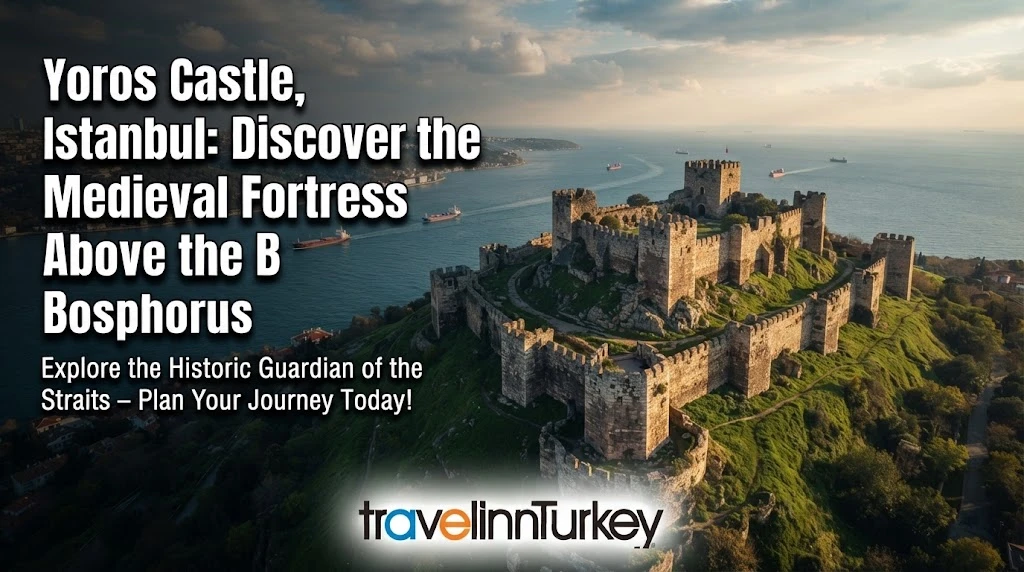
Yoros Castle, Istanbul
Discover the Medieval Fortress Overlooking the Bosphorus
Istanbul is famous for its magnificent mosques, Byzantine churches, imperial palaces, and historic streets. However, beyond the bustling city centre lies a remarkable fortress overlooking the meeting point of the Bosphorus and the Black Sea. Yoros Castle (Yoros Kalesi) is one of Istanbul’s most intriguing historical landmarks, offering visitors a fascinating journey into the city’s strategic past and spectacular views of its natural waterways.
Located near Anadolu Kavagi, a charming fishing village on the Asian side of Istanbul, Yoros Castle is an excellent destination for travellers who want to discover a quieter, less familiar side of the city. Its ruined stone walls, commanding hilltop position, and centuries of history make it an appealing stop for history enthusiasts, photographers, and anyone seeking a memorable day trip away from central Istanbul.
Where Is Yoros Castle Located?
Yoros Castle stands on a hill overlooking the northern end of the Bosphorus, close to Anadolu Kavagi in Istanbul’s Beykoz district. Its elevated position provides panoramic views of the Bosphorus as it approaches the Black Sea, a waterway that has played a crucial role in international trade, naval warfare, and the development of Istanbul for centuries.
The surrounding landscape feels different from the busy streets of Sultanahmet, Taksim, and Kadıkoy. Green hills, traditional neighbourhoods, waterfront restaurants, and fishing boats create a more peaceful atmosphere. For visitors exploring Istanbul’s Asian side, Yoros Castle offers a combination of history, nature, and beautiful scenery.
The History of Yoros Castle
Yoros Castle occupies a strategically important location that has attracted military attention for centuries. Its position near the entrance to the Black Sea made it valuable for monitoring maritime traffic and defending the northern approaches to the Bosphorus.
The origins of the fortress and the earliest phases of settlement at the site remain subjects of historical and archaeological discussion. The name Yoros is sometimes associated with the Greek word oros, meaning “mountain,” although the origin of the name is not definitively established.
During the Byzantine period, the site formed part of the wider defensive landscape surrounding Constantinople. Control of the Bosphorus was essential to the Byzantine Empire because the strait connected the Black Sea with the Sea of Marmara and the Mediterranean world. Fortifications in this region helped protect shipping routes and the approaches to the imperial capital.
The castle is also associated with the Genoese, the maritime trading power that maintained commercial interests and settlements around the Black Sea during the medieval period. Genoese involvement in the region reflects the importance of controlling strategic coastal positions and maritime commerce. However, the precise chronology of construction and the extent of Genoese rebuilding at Yoros Castle require careful interpretation.
Following the Ottoman conquest of Constantinople in 1453, the surrounding Bosphorus region became increasingly important to Ottoman control of maritime access. The fortress formed part of the strategic environment in which the Ottomans monitored and defended the strait. Over the centuries, military technology and changing political circumstances reduced the importance of many medieval fortifications, leaving Yoros Castle as a historic reminder of the region’s complex past.
Byzantine, Genoese and Ottoman Heritage
One of the most fascinating aspects of Yoros Castle is its connection to the different powers that shaped Istanbul and the Bosphorus. Byzantine emperors depended on the strait for communication, trade, and the defence of Constantinople. Genoese merchants established influential commercial networks across the Black Sea, while the Ottoman Empire later consolidated control over the waterways connecting its territories.
The surviving masonry and defensive layout reflect the site's long military history, although not every visible section can be assigned confidently to a particular period without archaeological evidence. Visitors interested in medieval architecture will find the fortress especially rewarding because its ruins invite questions about how the Bosphorus was defended before the development of modern naval technology.
Unlike Istanbul’s best-known imperial monuments, Yoros Castle does not offer lavish interiors or elaborate decoration. Its appeal lies in its strategic setting, historic atmosphere, and relationship with the surrounding landscape.
What Can You See at Yoros Castle?
Visitors can appreciate the remaining sections of the castle’s defensive walls and explore the surrounding area where access is permitted. The ruins provide an impression of the scale and strategic purpose of the former fortress, while the elevated setting creates opportunities for photography.
The views are among the principal attractions. From the hill, the Bosphorus stretches towards the Black Sea, revealing the importance of this narrow waterway as a natural corridor between continents and seas. Depending on visibility and the weather, the surrounding hills, coastline, and passing vessels create a particularly beautiful panorama.
The site is also an opportunity to experience a different side of Istanbul’s Asian shore. Instead of monumental urban architecture, visitors encounter a combination of wooded slopes, historic remains, village life, and maritime scenery.
Access to the ruins and individual sections of the castle may be restricted or affected by conservation work. Visitors should check current access conditions before planning their visit and respect any barriers or protected areas.
Anadolu Kavagi: A Charming Village Near Yoros Castle
A visit to Yoros Castle can easily be combined with time in Anadolu Kavagi, the waterfront village below the fortress. Traditionally associated with fishing and maritime activity, the village offers a relaxed atmosphere that contrasts with Istanbul’s crowded tourist districts.
Visitors can walk along the waterfront, observe fishing boats, enjoy views of the Bosphorus, and discover local restaurants serving fish and other Turkish dishes. It is an appealing place to take a break after visiting the hilltop ruins.
The village also provides an opportunity to see a more tranquil side of Istanbul, where the rhythm of life remains closely connected to the sea. For travellers interested in combining cultural exploration with local food and scenery, Anadolu Kavagi makes a natural addition to the itinerary.
Best Time to Visit Yoros Castle
Spring and autumn are excellent seasons to explore Yoros Castle because temperatures are often comfortable for walking and the surrounding landscape is attractive. Summer can also be enjoyable, particularly when a visit is combined with a Bosphorus excursion, although the hill may feel hot during the middle of the day.
Clear weather offers the best conditions for panoramic photography. Early visits may provide a quieter atmosphere, while a longer excursion allows time to enjoy both the castle and Anadolu Kavagi.
Before setting out, check the weather forecast, transport timetables, and any official notices regarding access to the ruins. These practical details are especially important when planning a trip around a boat departure.
Why Visit Yoros Castle During Your Istanbul Trip?
Yoros Castle is an excellent choice for travellers who want to explore beyond Istanbul’s most famous landmarks. It combines medieval history, strategic military architecture, Bosphorus scenery, and the atmosphere of a traditional waterfront village in a single excursion.
For visitors who have already explored Hagia Sophia, Topkapi Palace, the Blue Mosque, and the Grand Bazaar, the castle offers a different perspective on Istanbul’s historical geography. It reveals why control of the Bosphorus has mattered to successive empires and how the natural landscape shaped the city's military and commercial development.
The destination is particularly suitable for history lovers, independent travellers, photographers, and visitors seeking a quieter day away from the city centre.
Explore Istanbul with Travel Inn Turkey
At Travel Inn Turkey, we believe that discovering a destination means looking beyond its most famous attractions. Istanbul’s history extends from imperial palaces and monumental mosques to forgotten fortifications, ancient neighbourhoods, and small villages along the Bosphorus.
Yoros Castle is a wonderful example of this less familiar heritage. Its medieval ruins and remarkable views reveal another chapter in the story of Istanbul, where Byzantine, Genoese, and Ottoman interests intersected around one of the world’s most important waterways.
Whether you are planning your first visit to Istanbul or returning to explore places you missed before, consider adding Yoros Castle and Anadolu Kavagi to your itinerary.
Discover the history, enjoy the scenery, and experience a quieter side of the city with inspiration from Travel Inn Turkey.
Plan your Istanbul adventure with Travel Inn Turkey and discover the historic places that make Turkey unforgettable.
Our partners